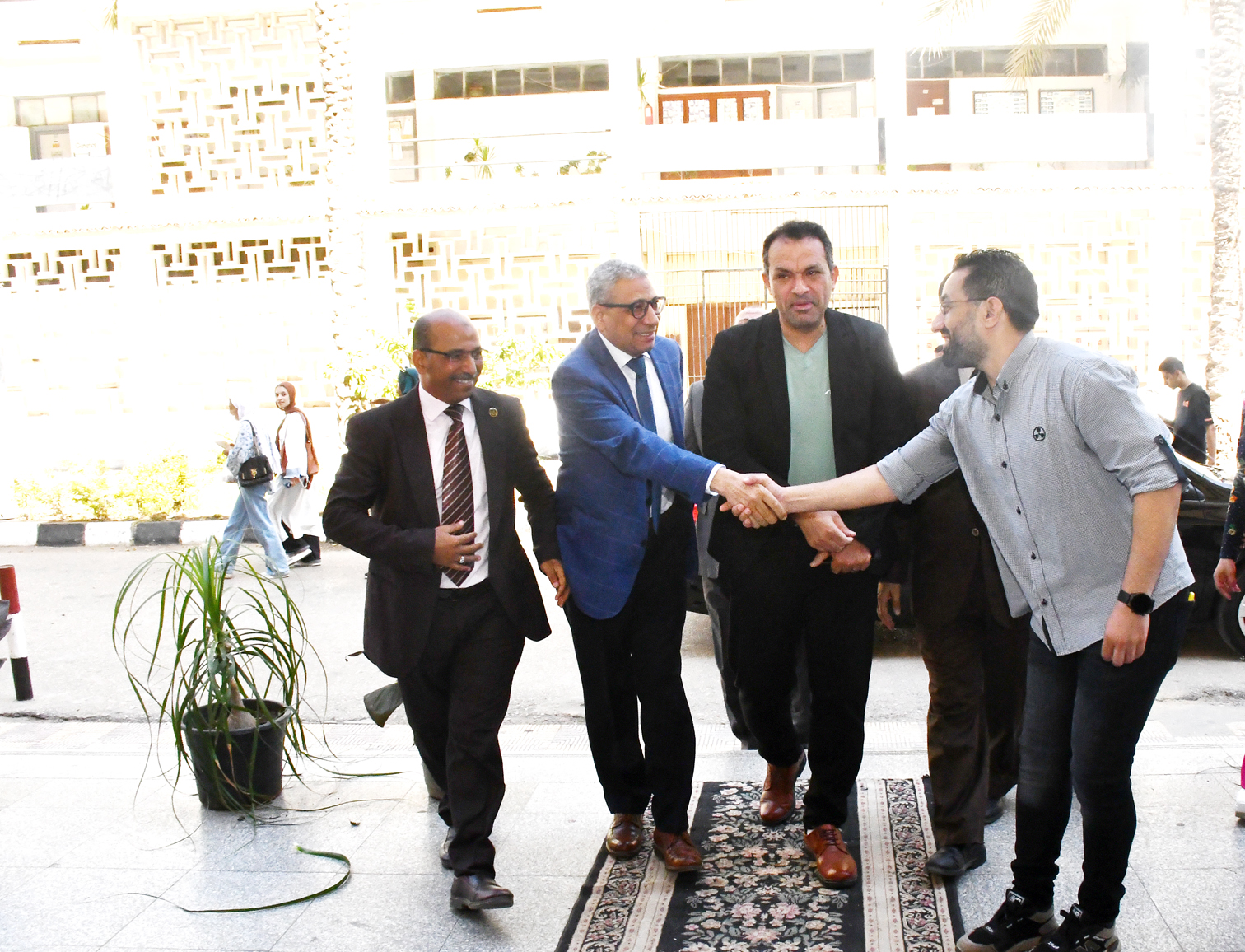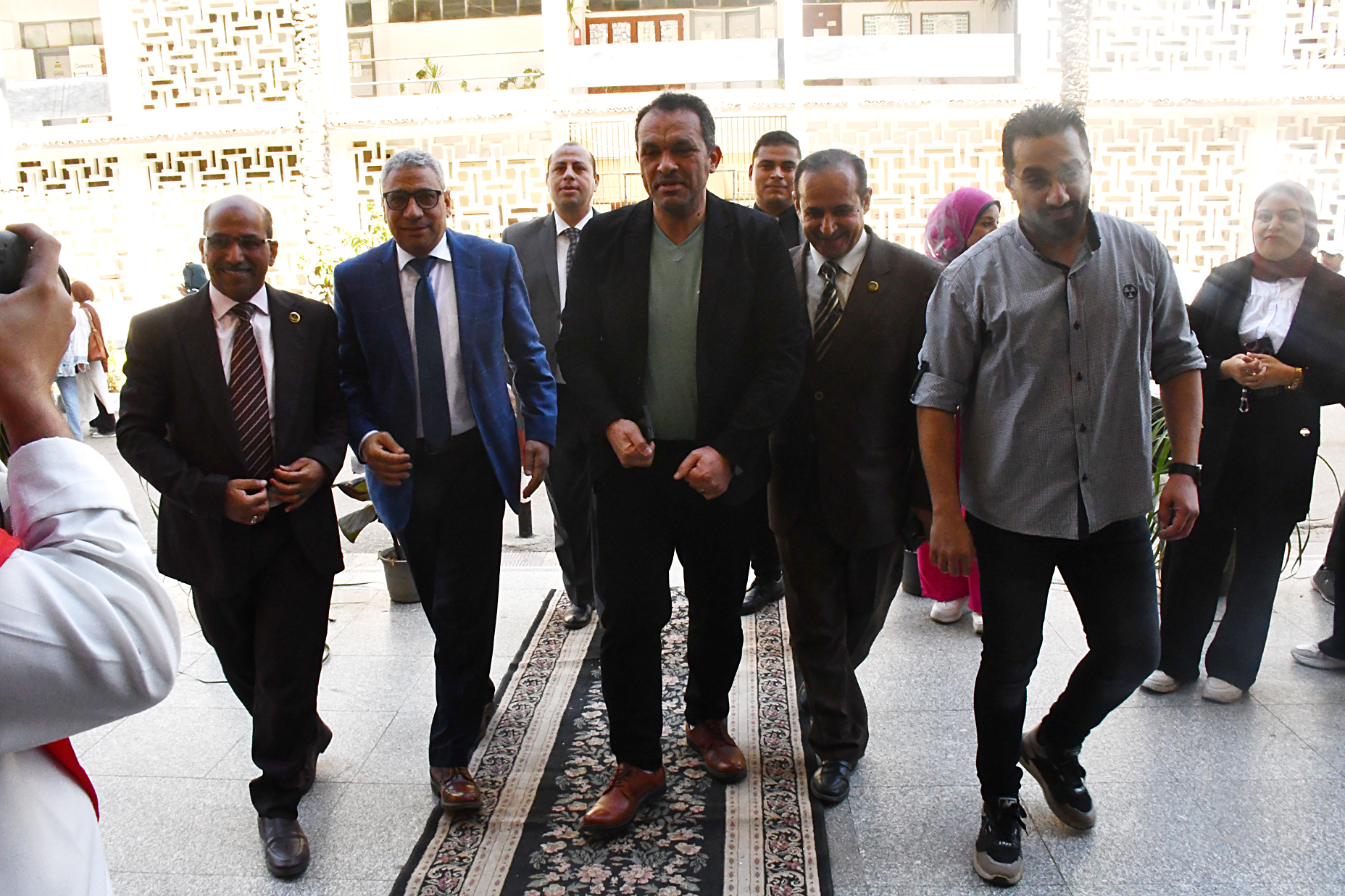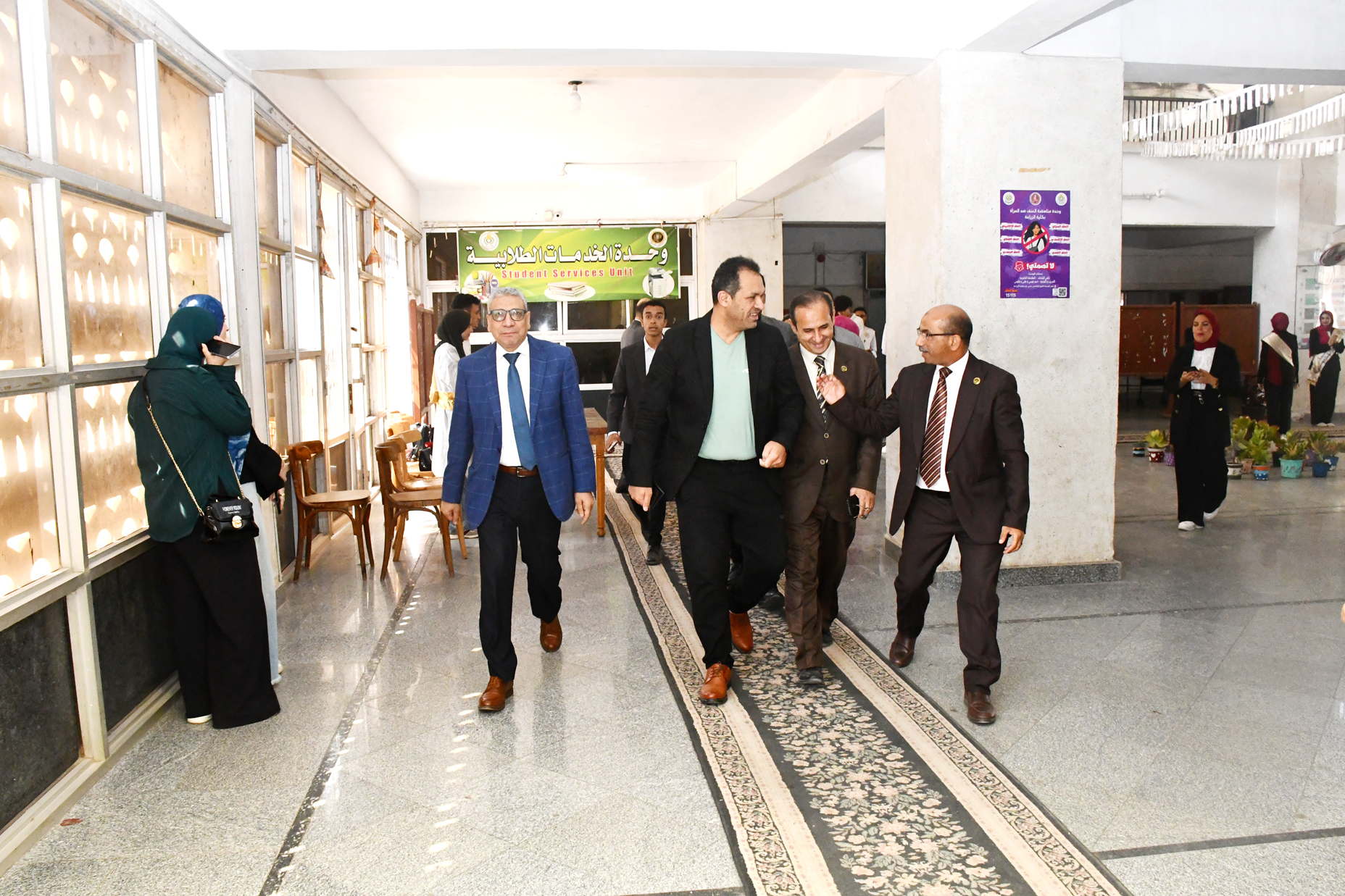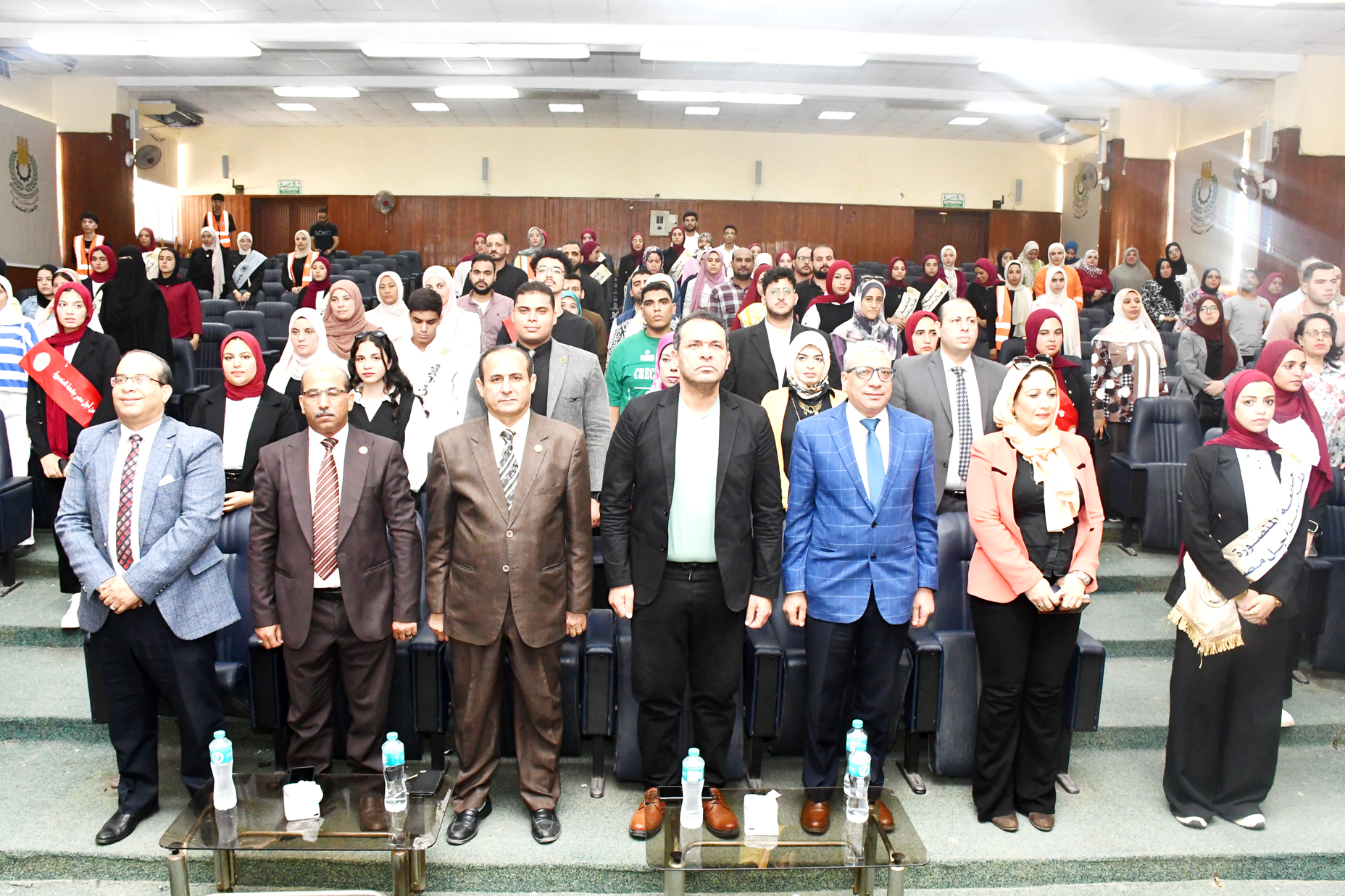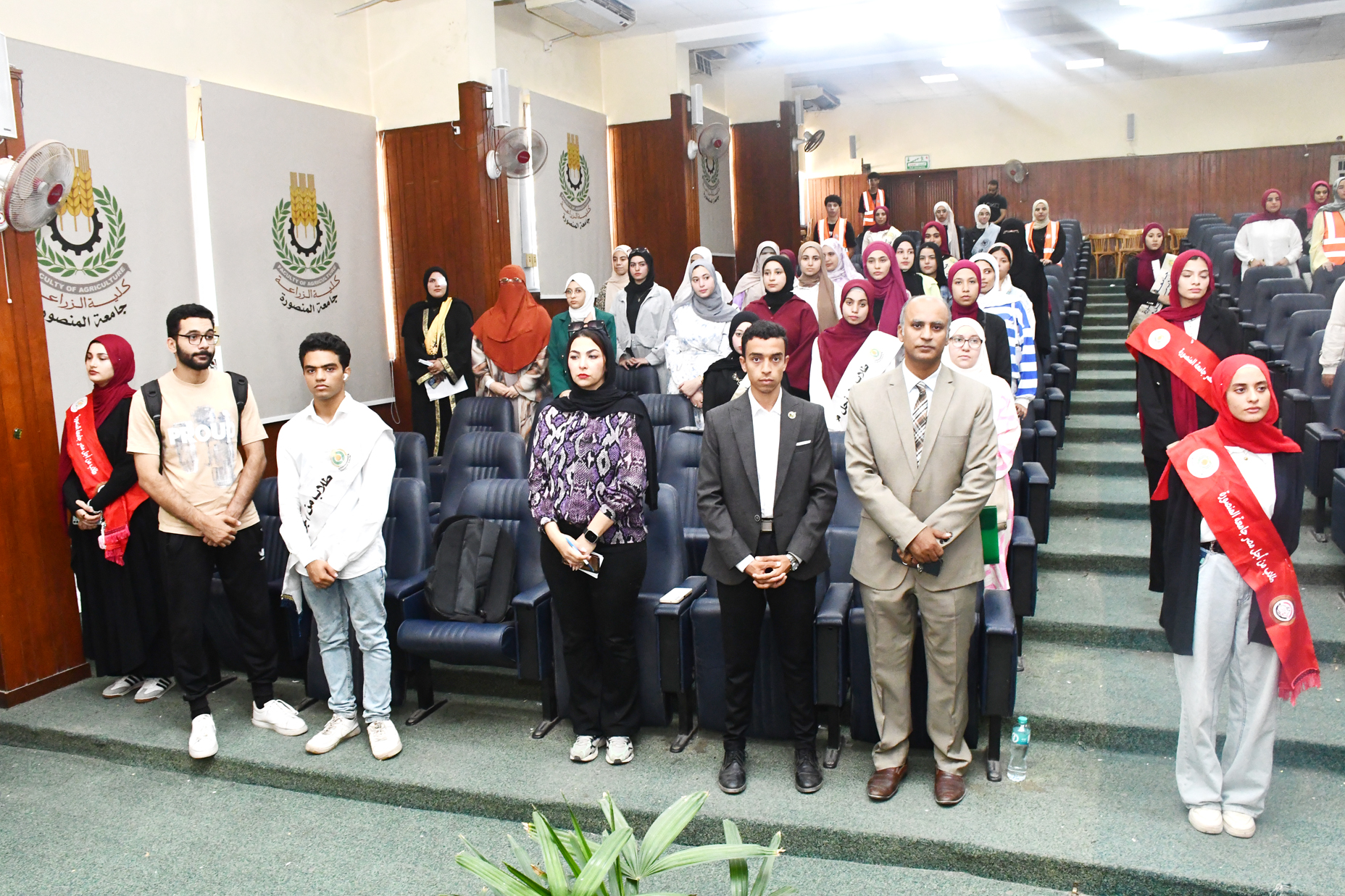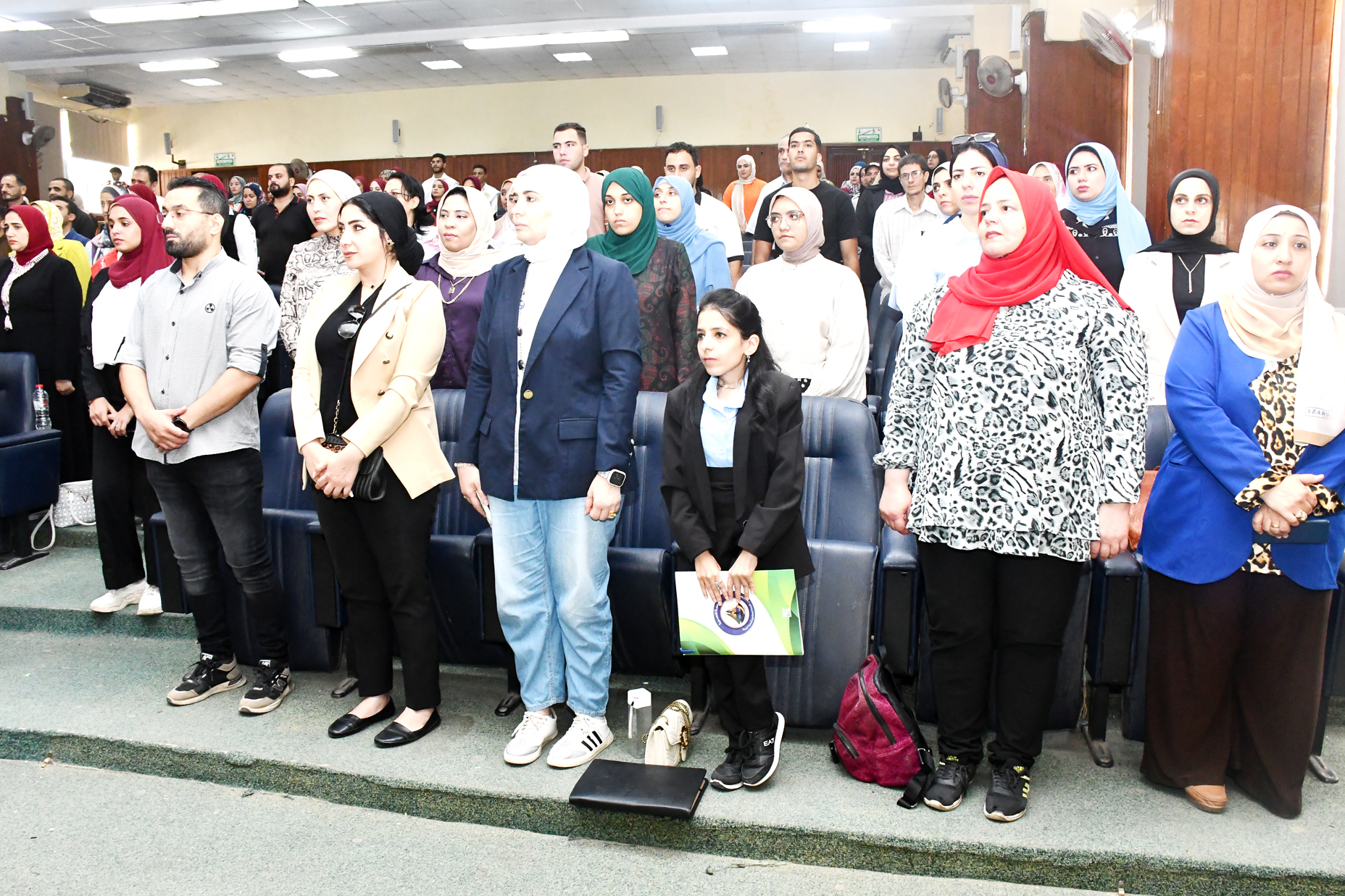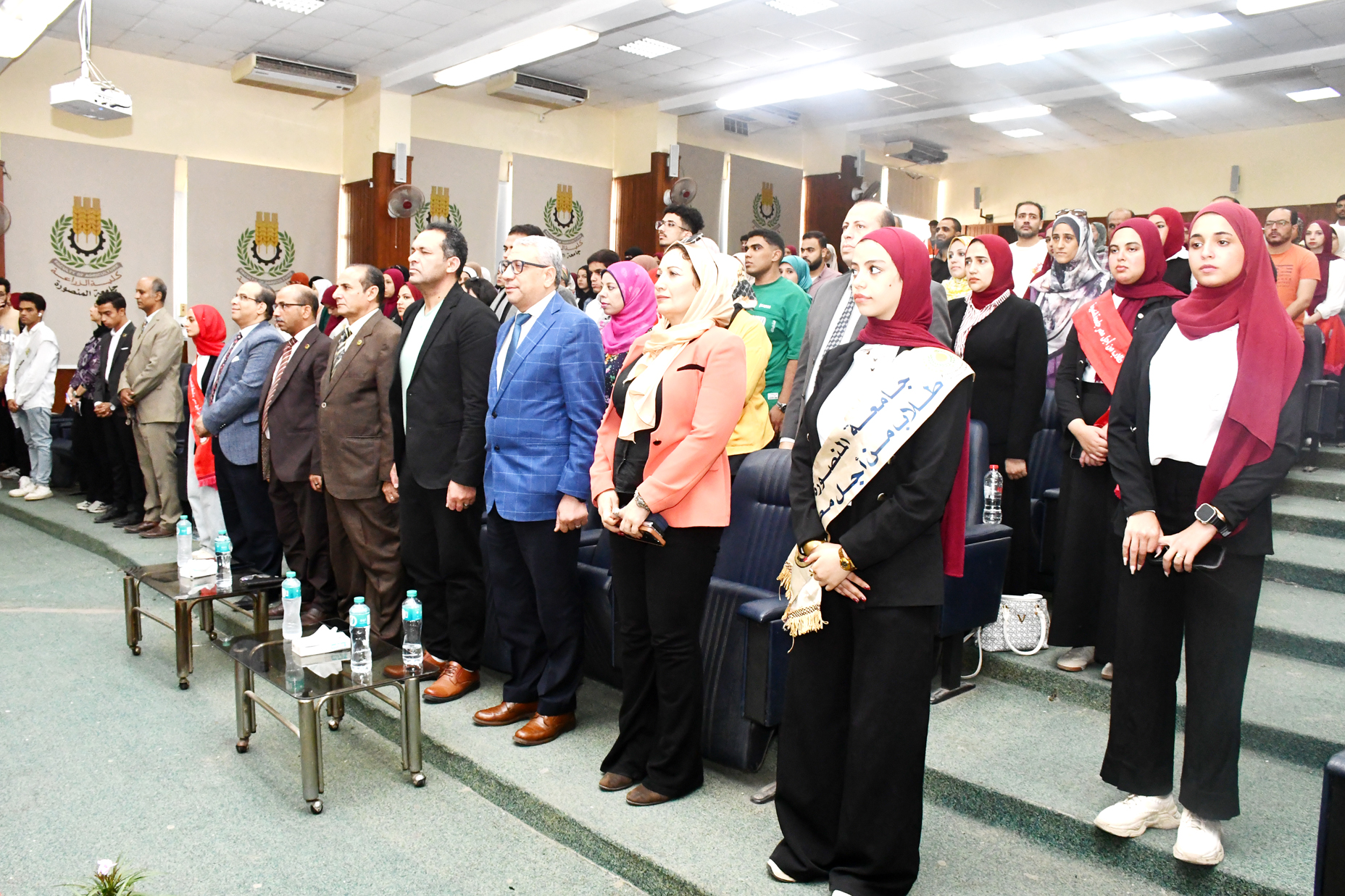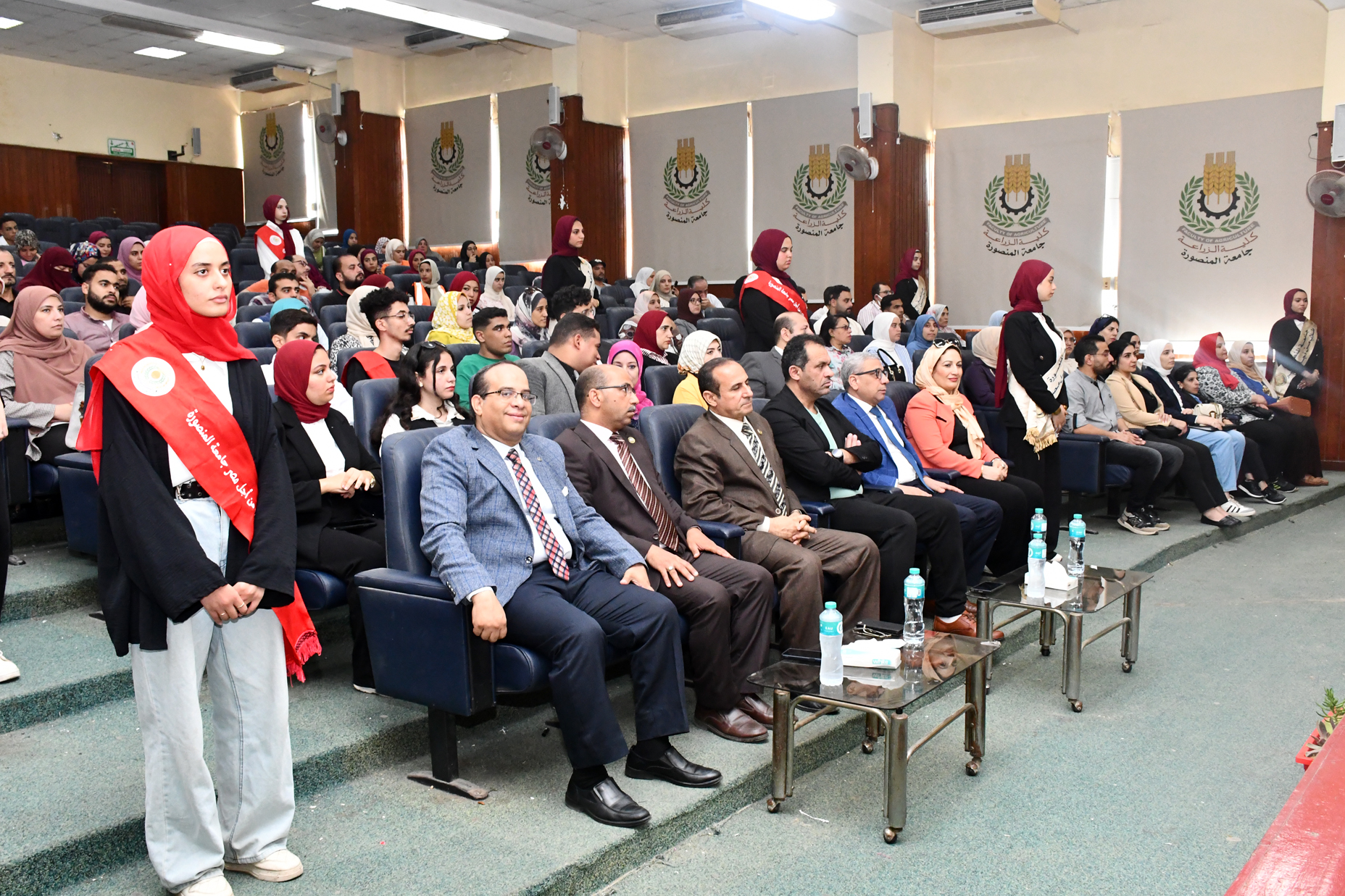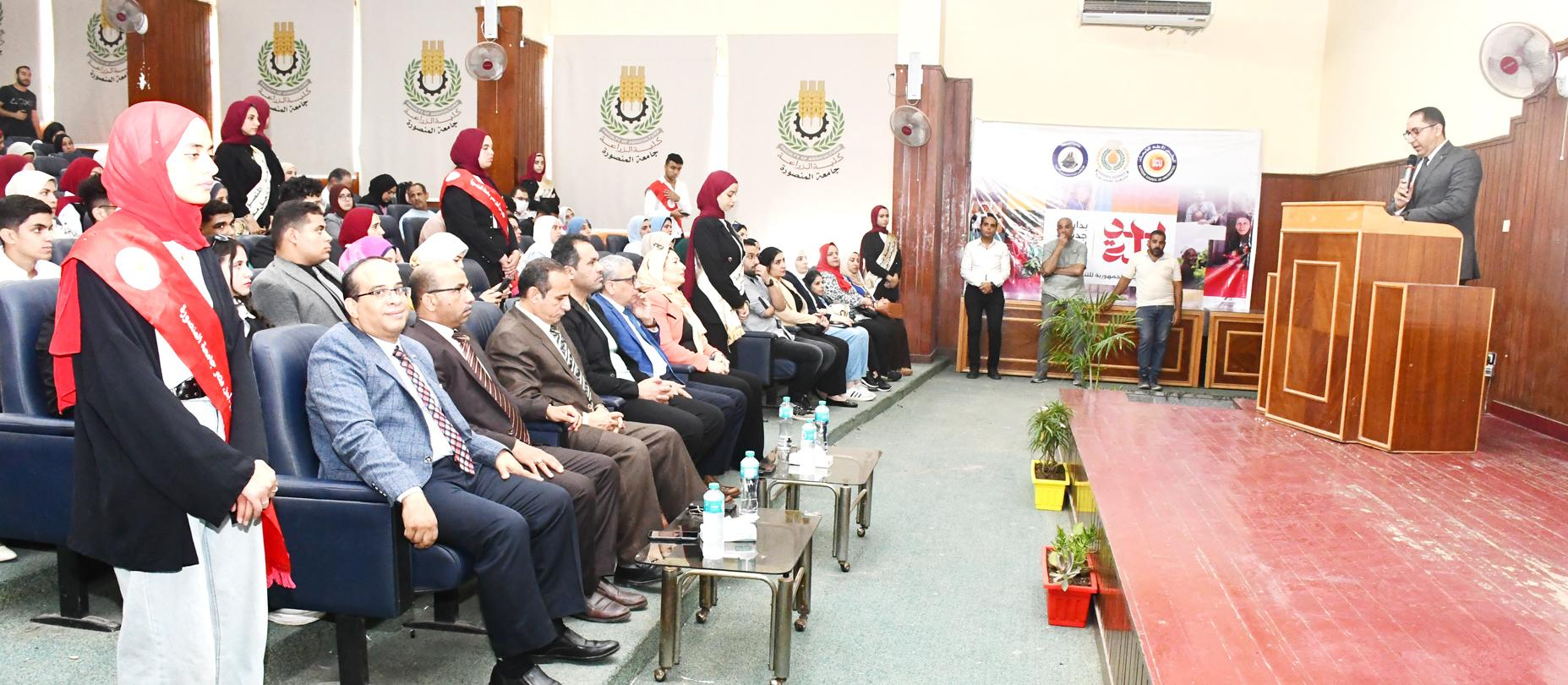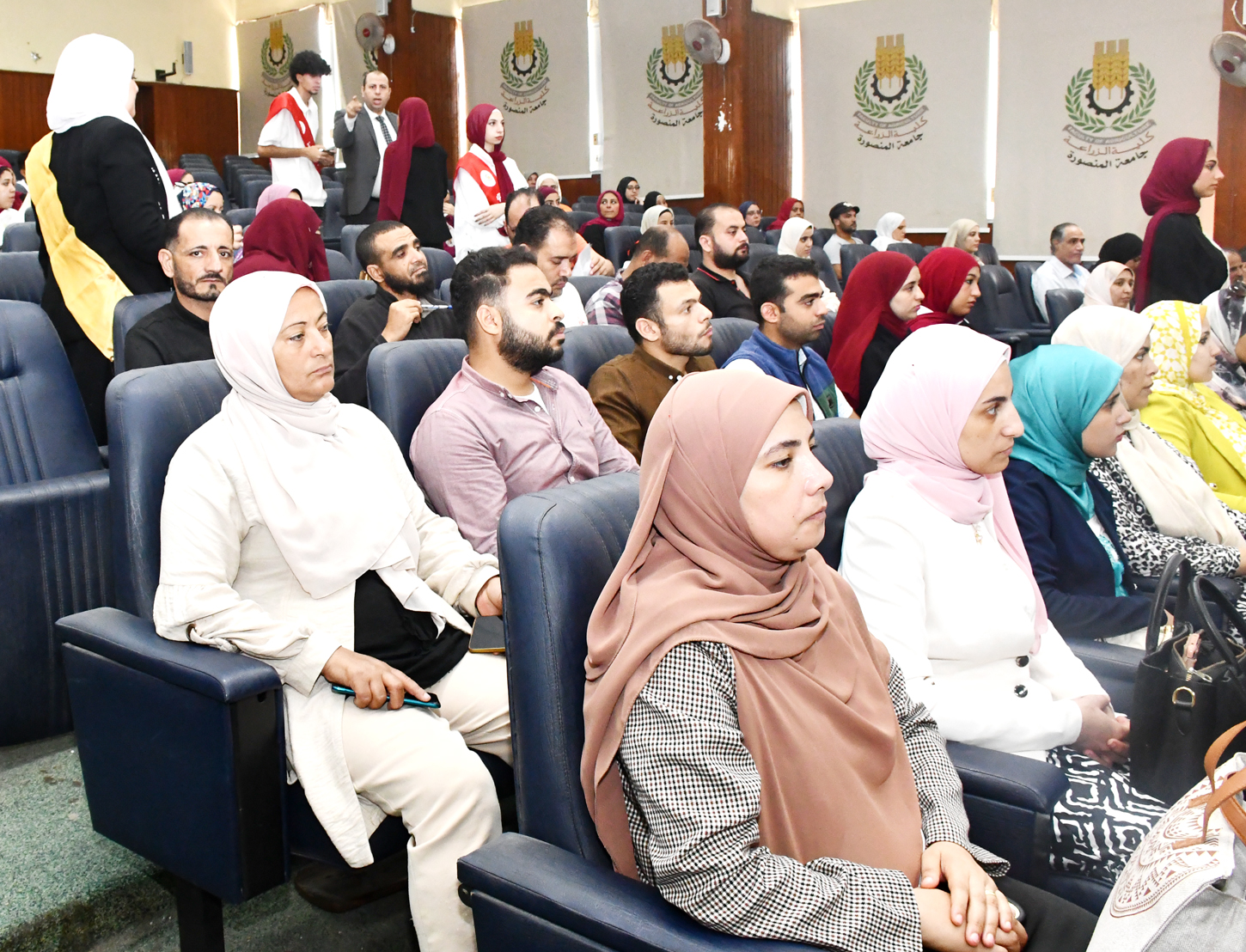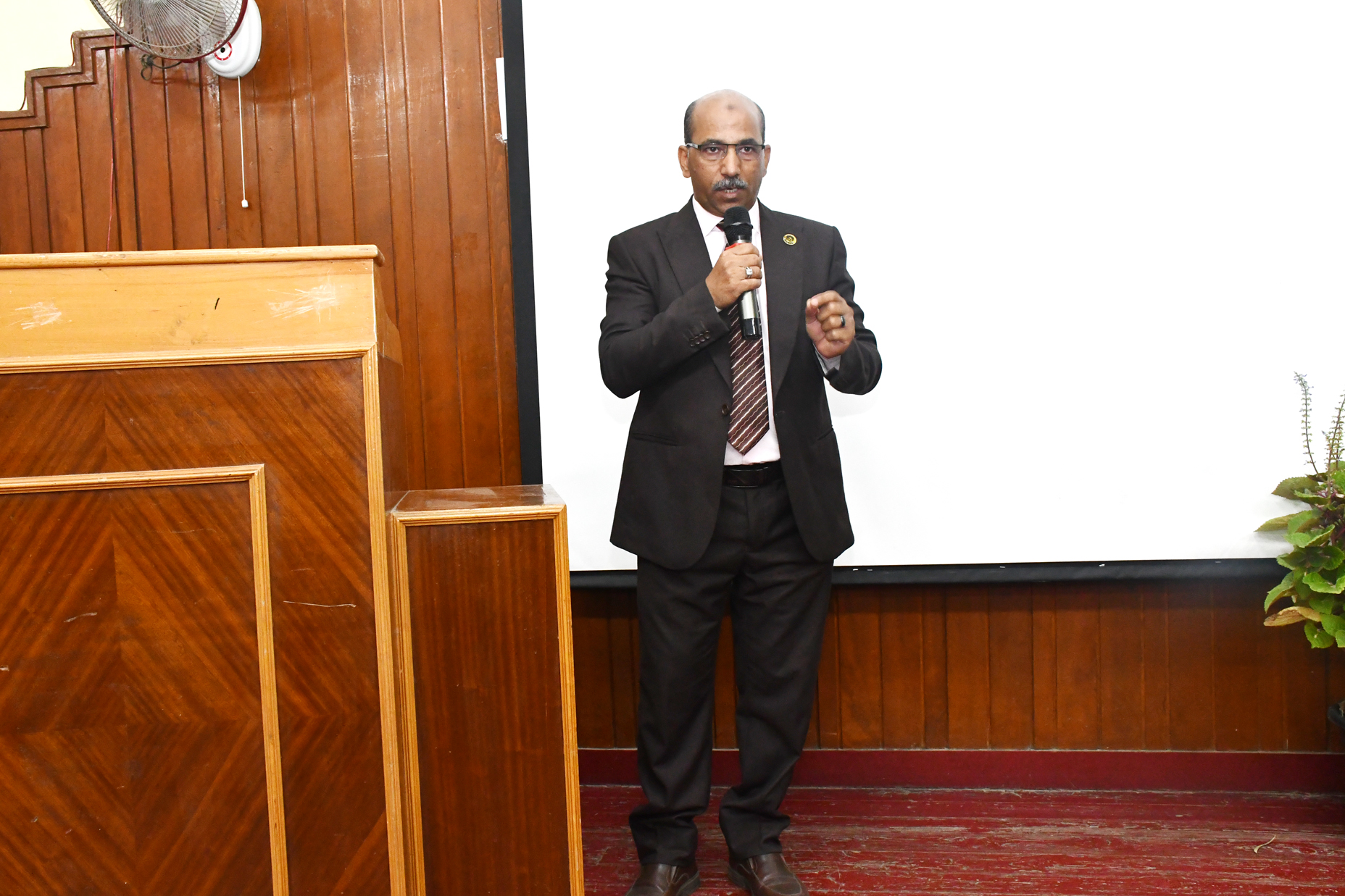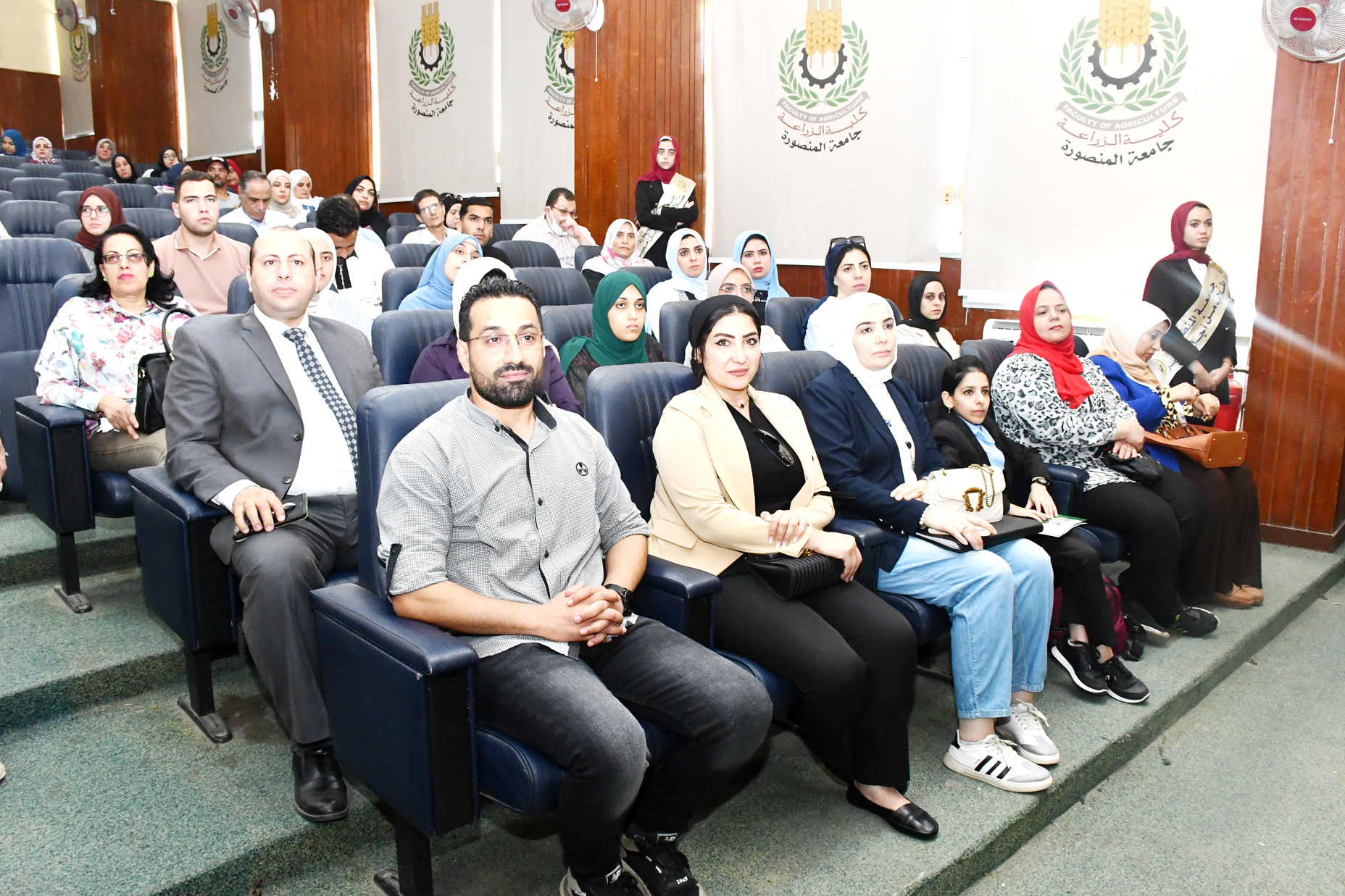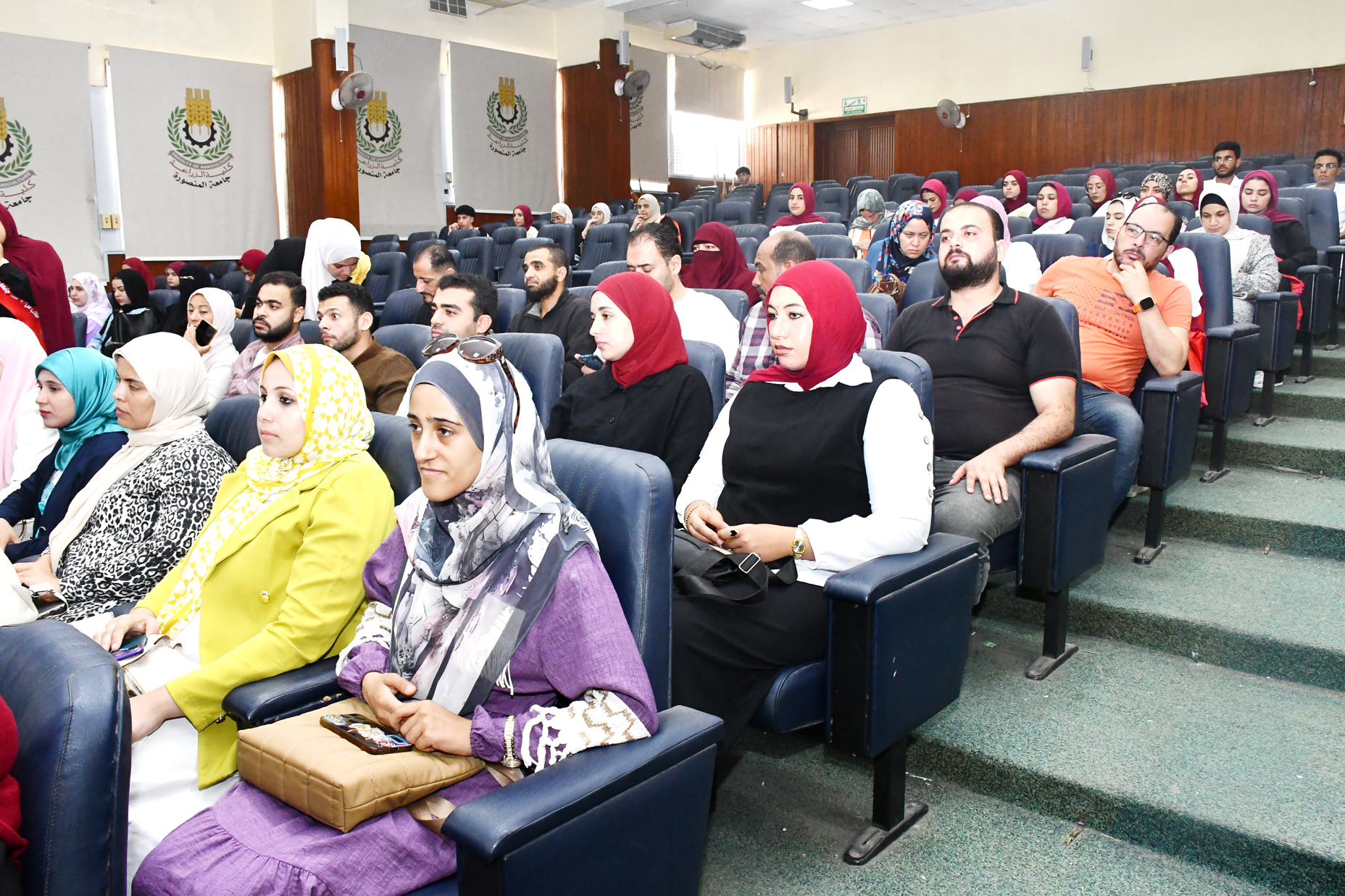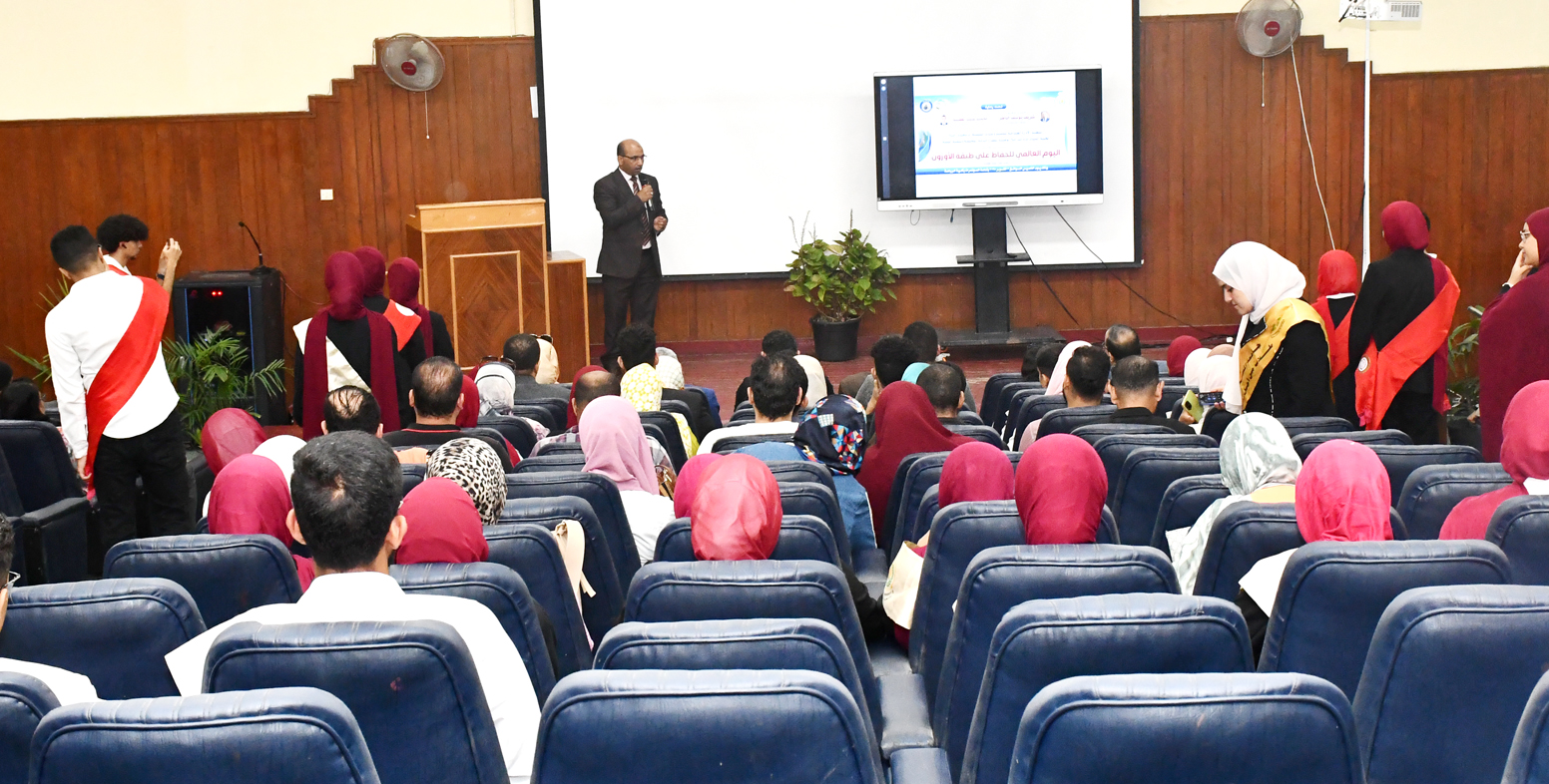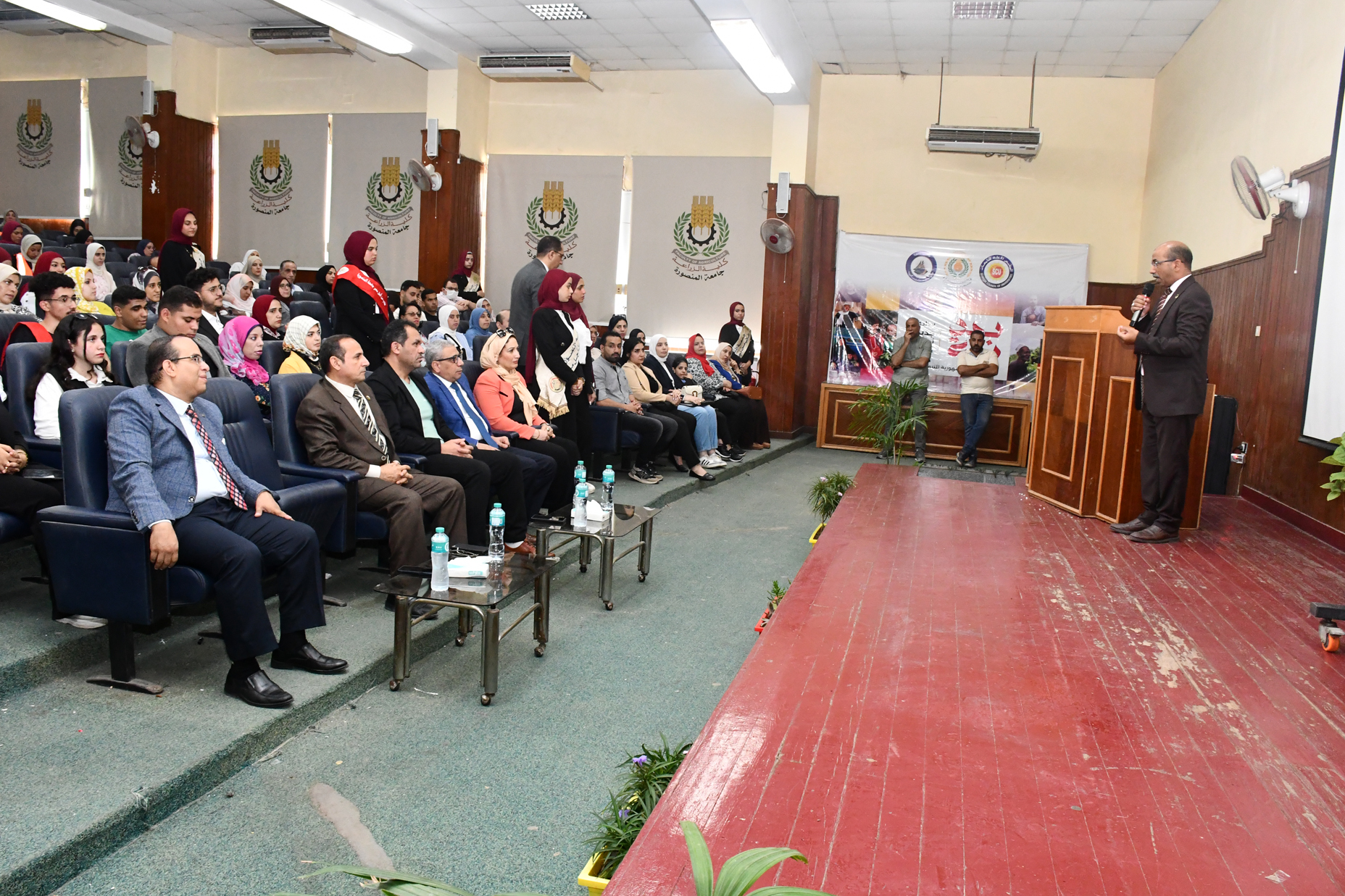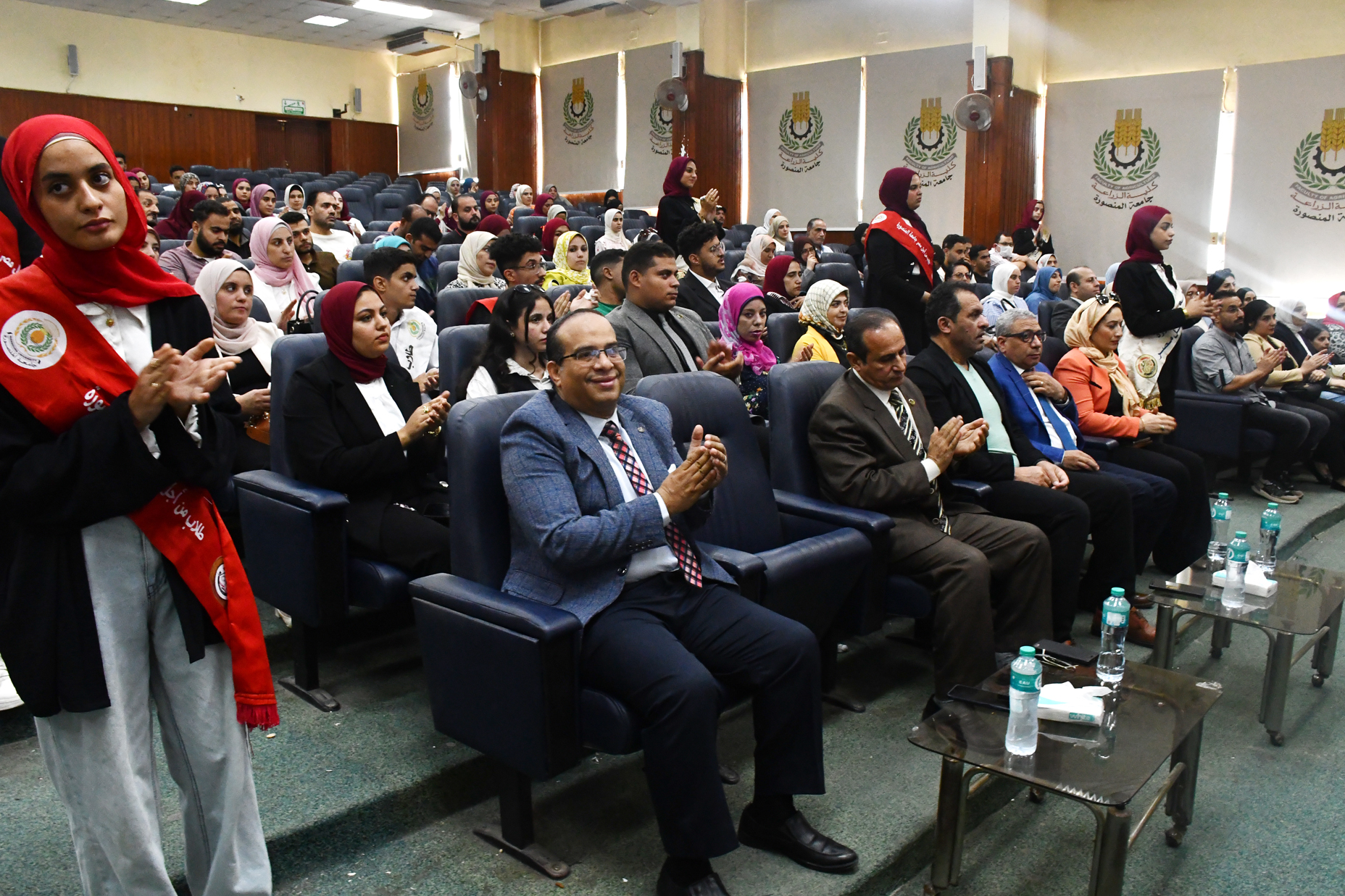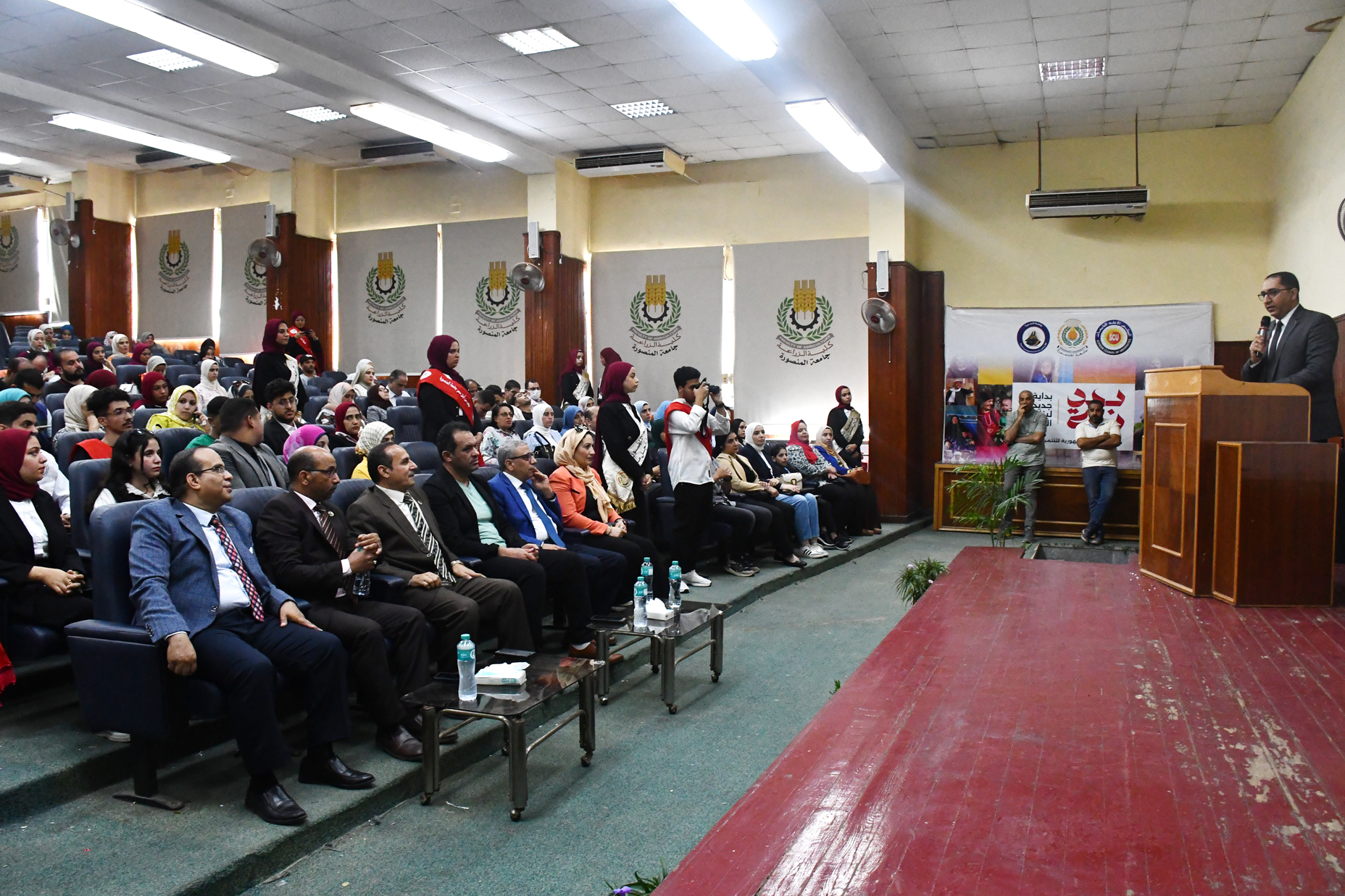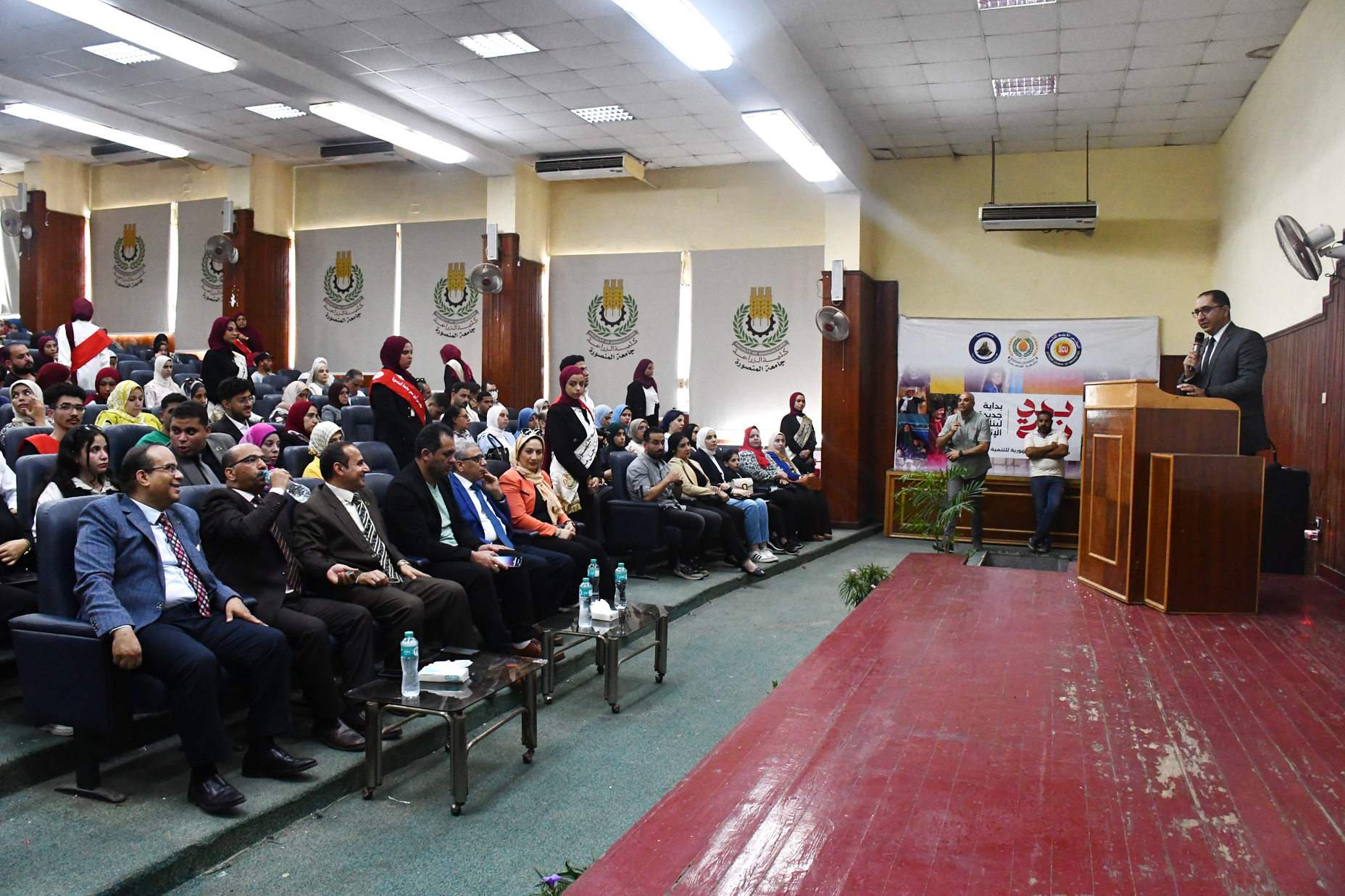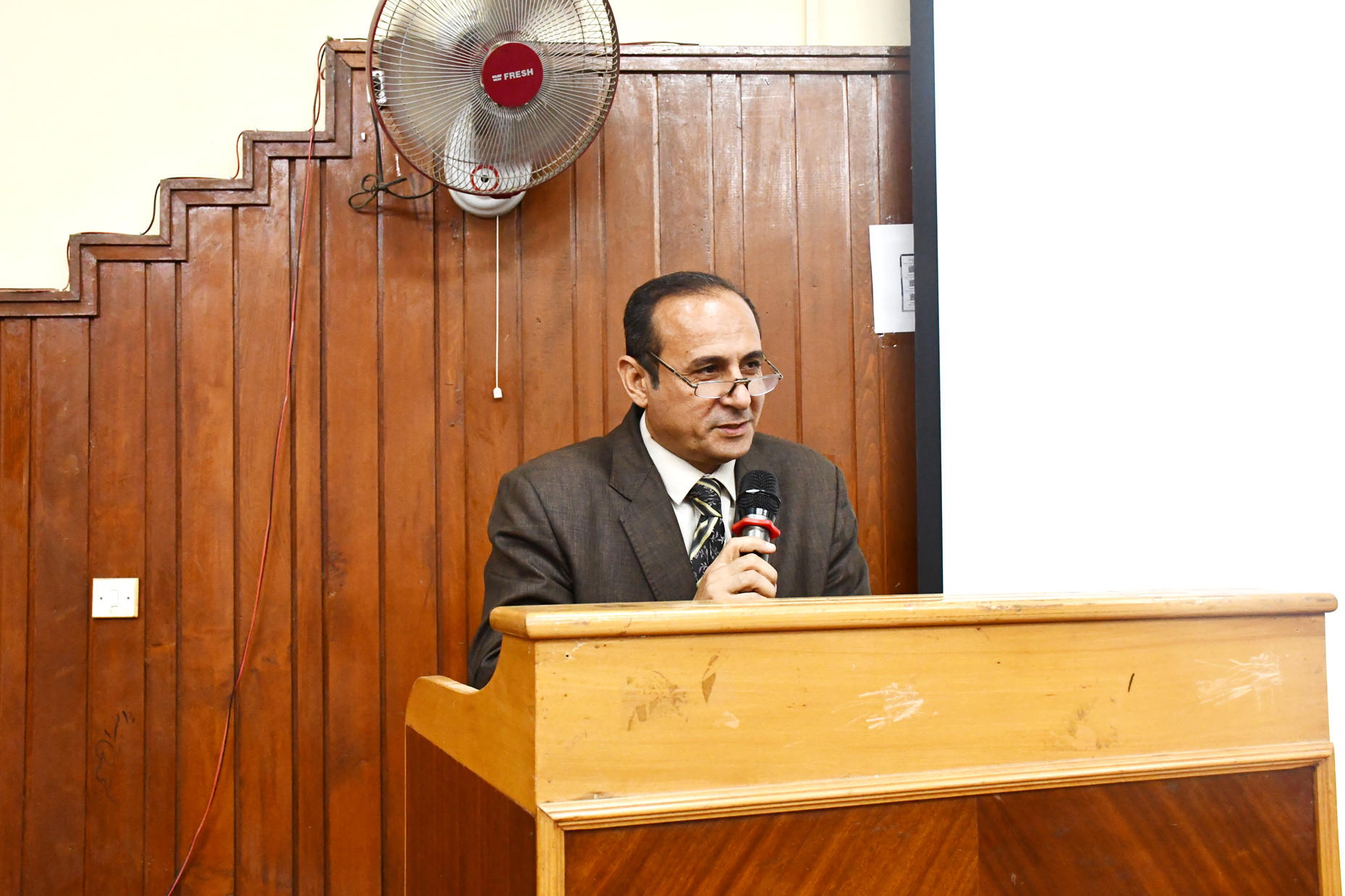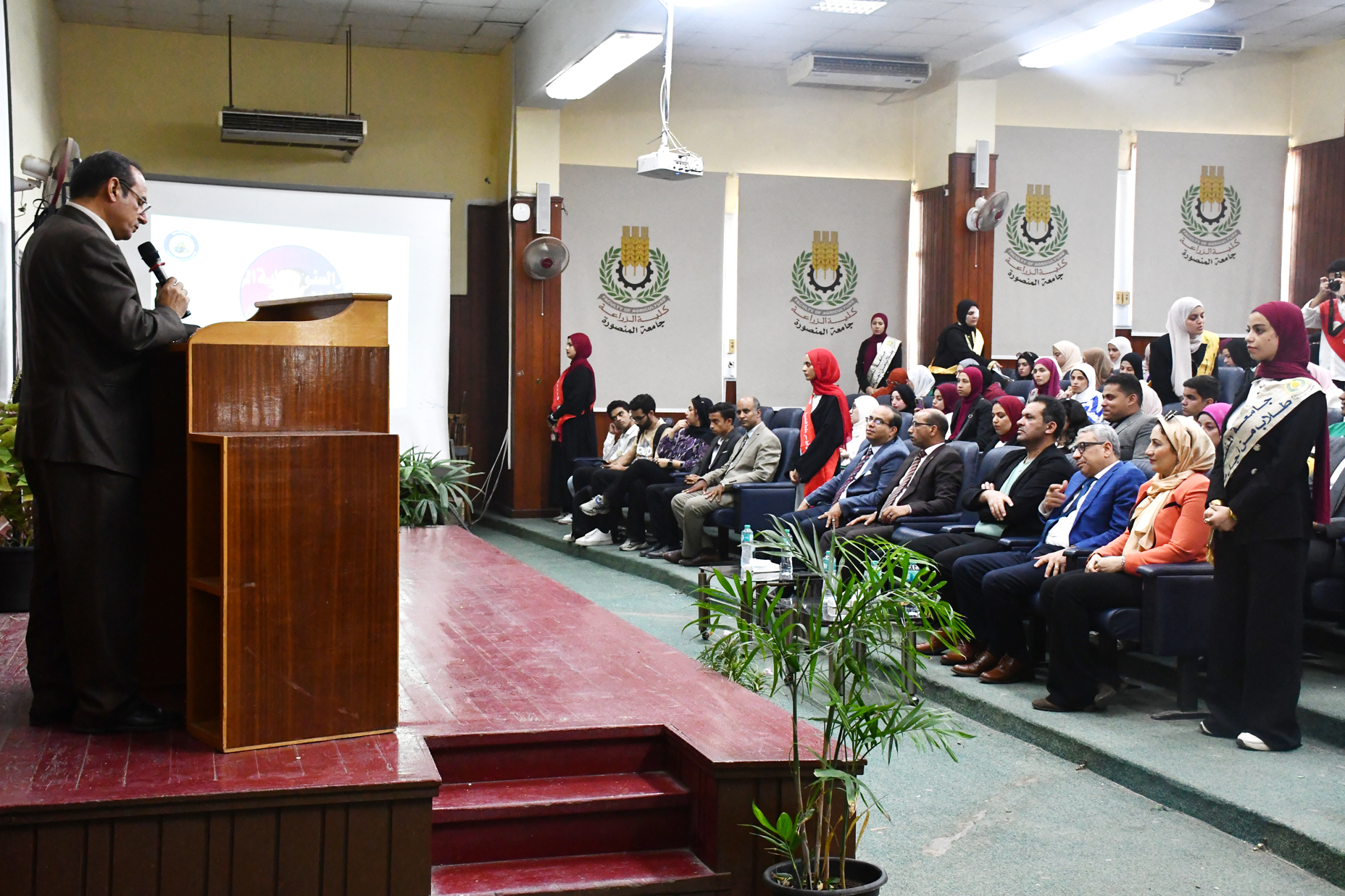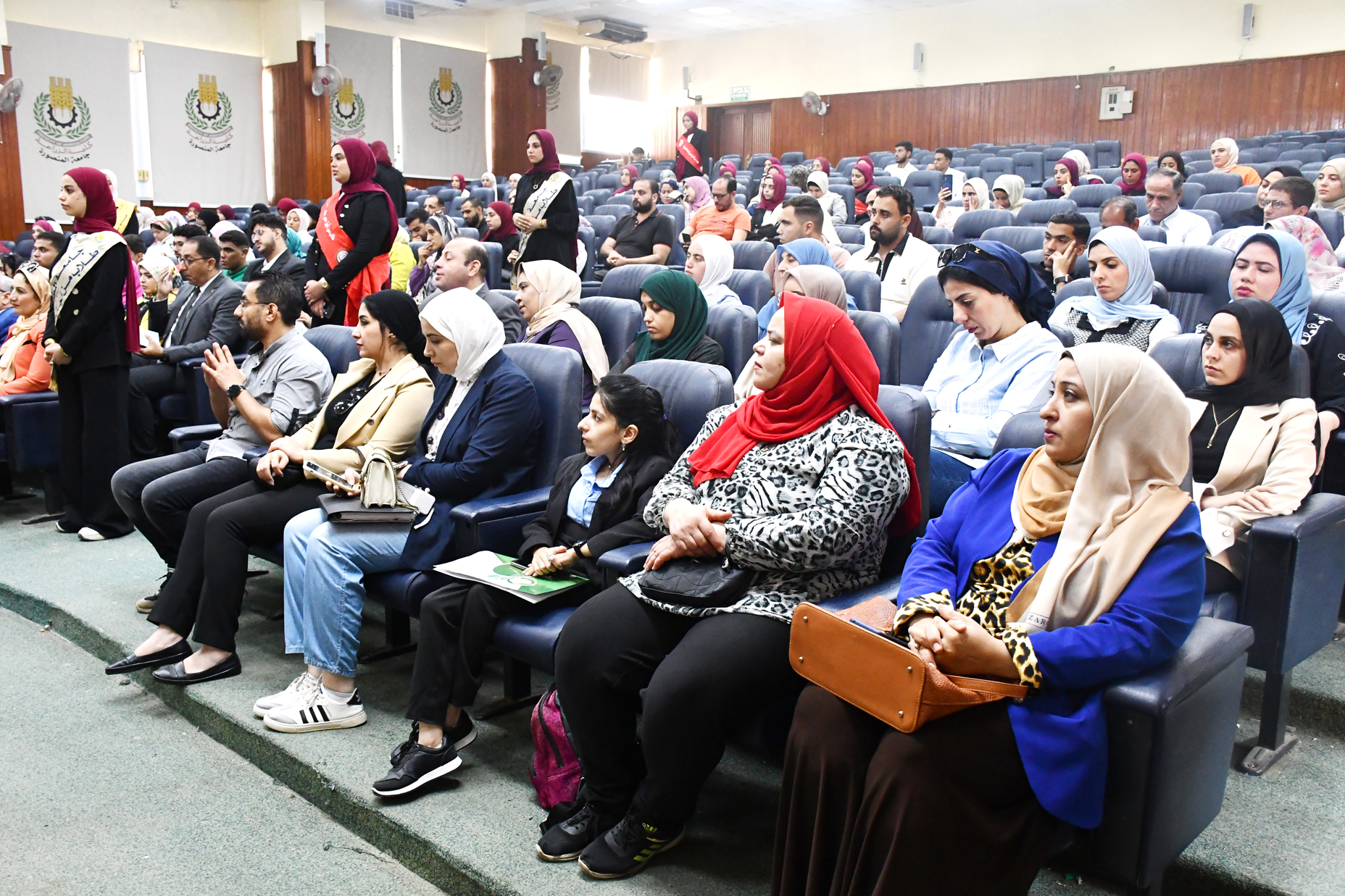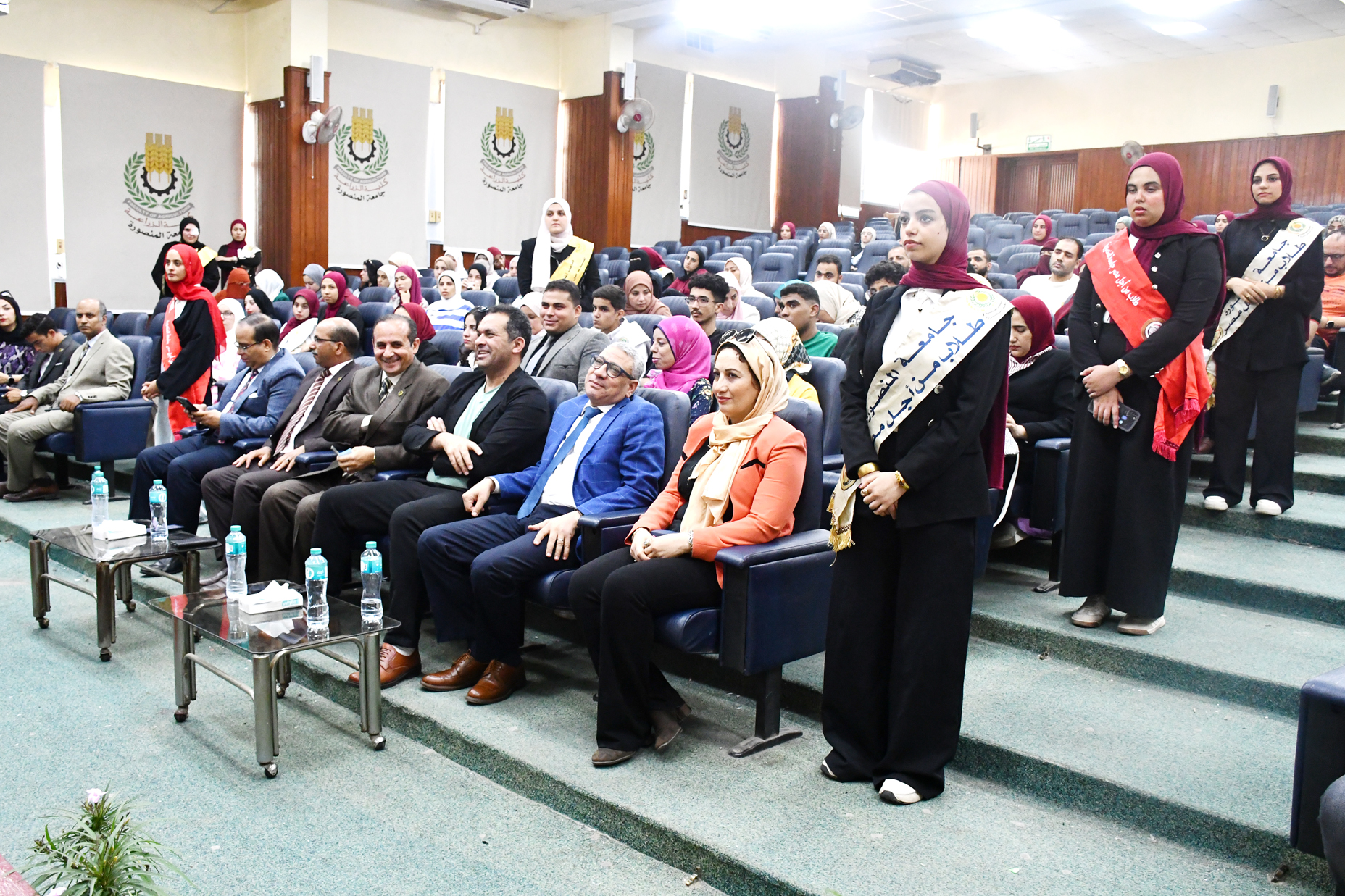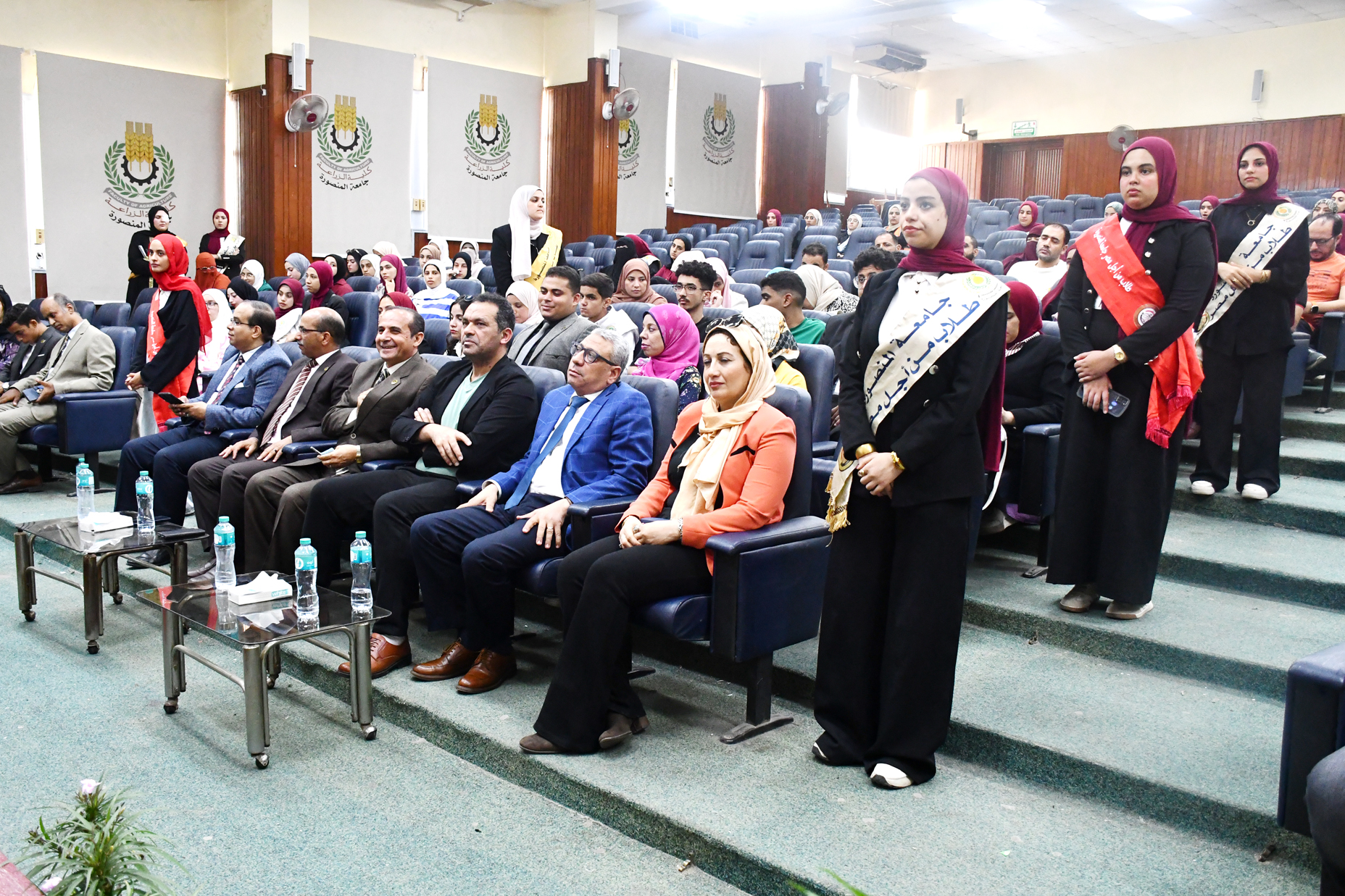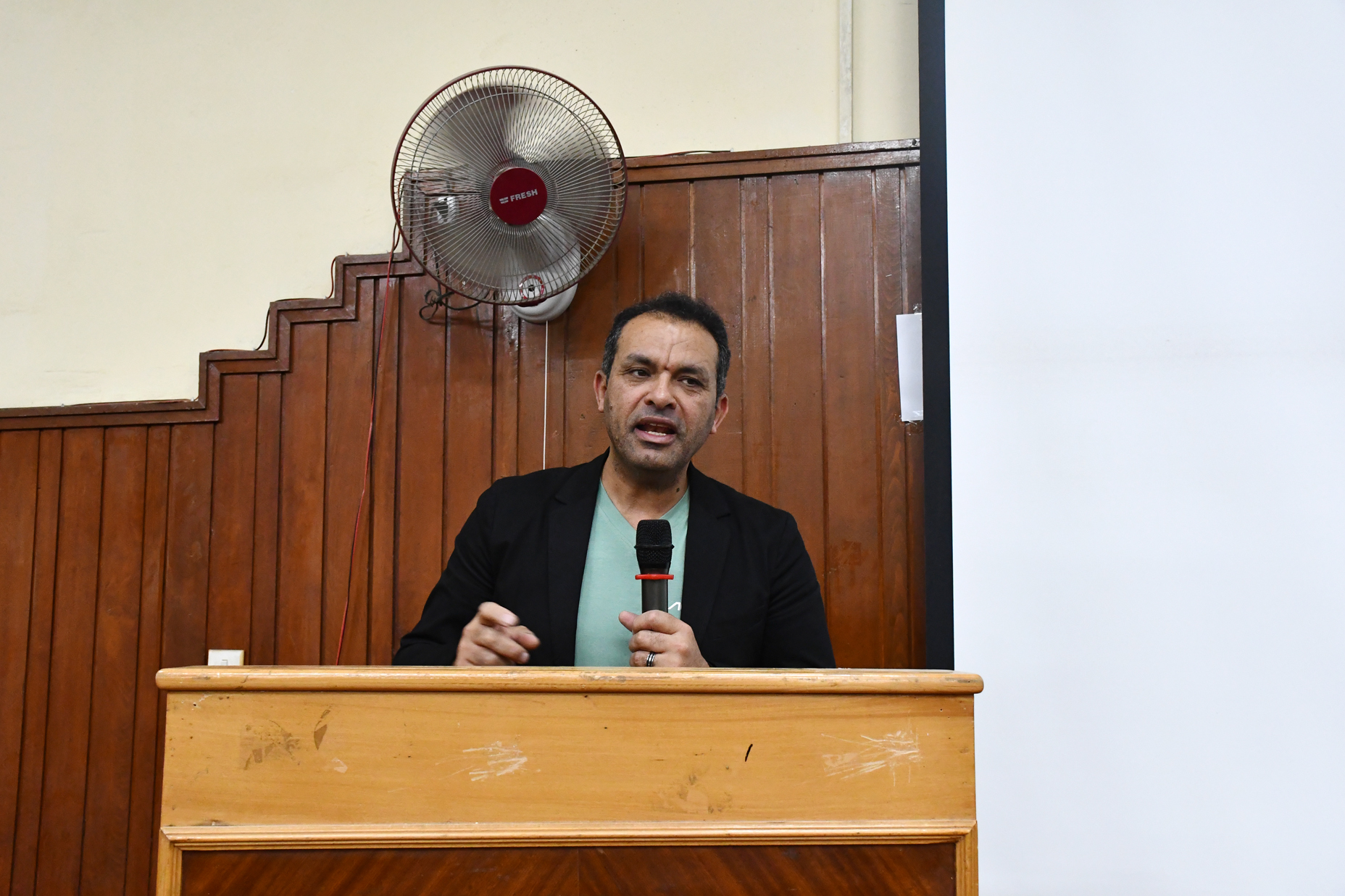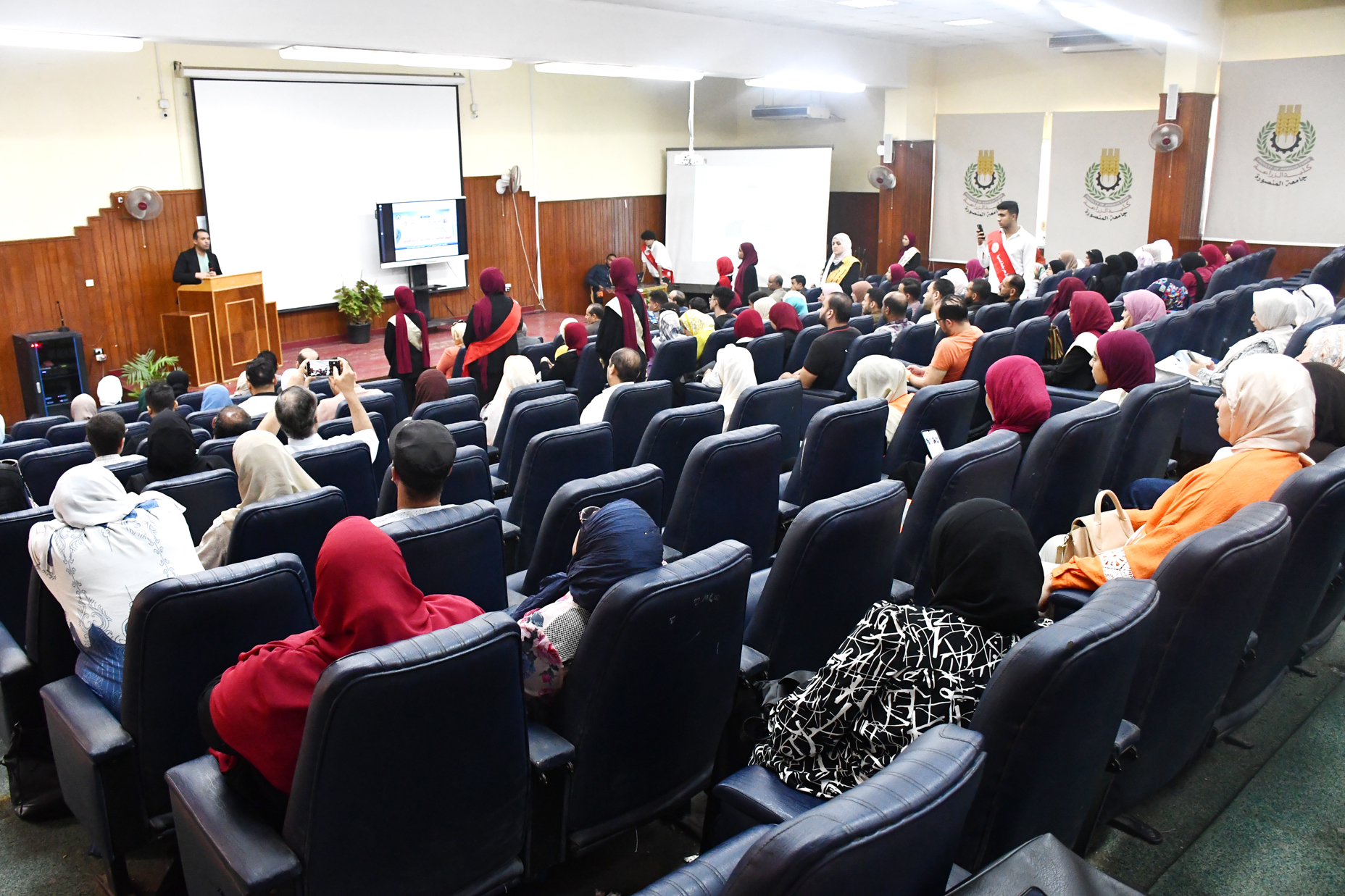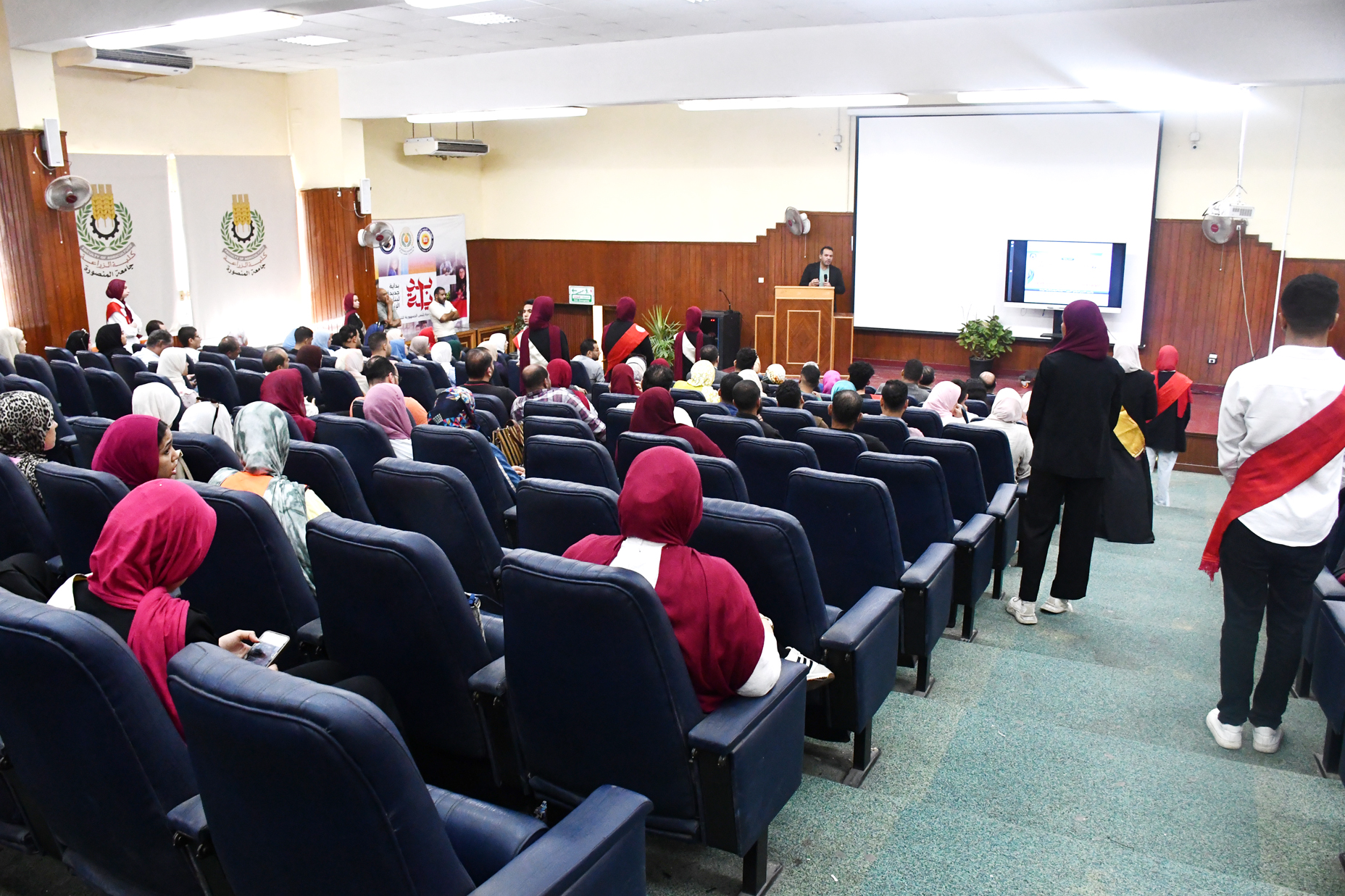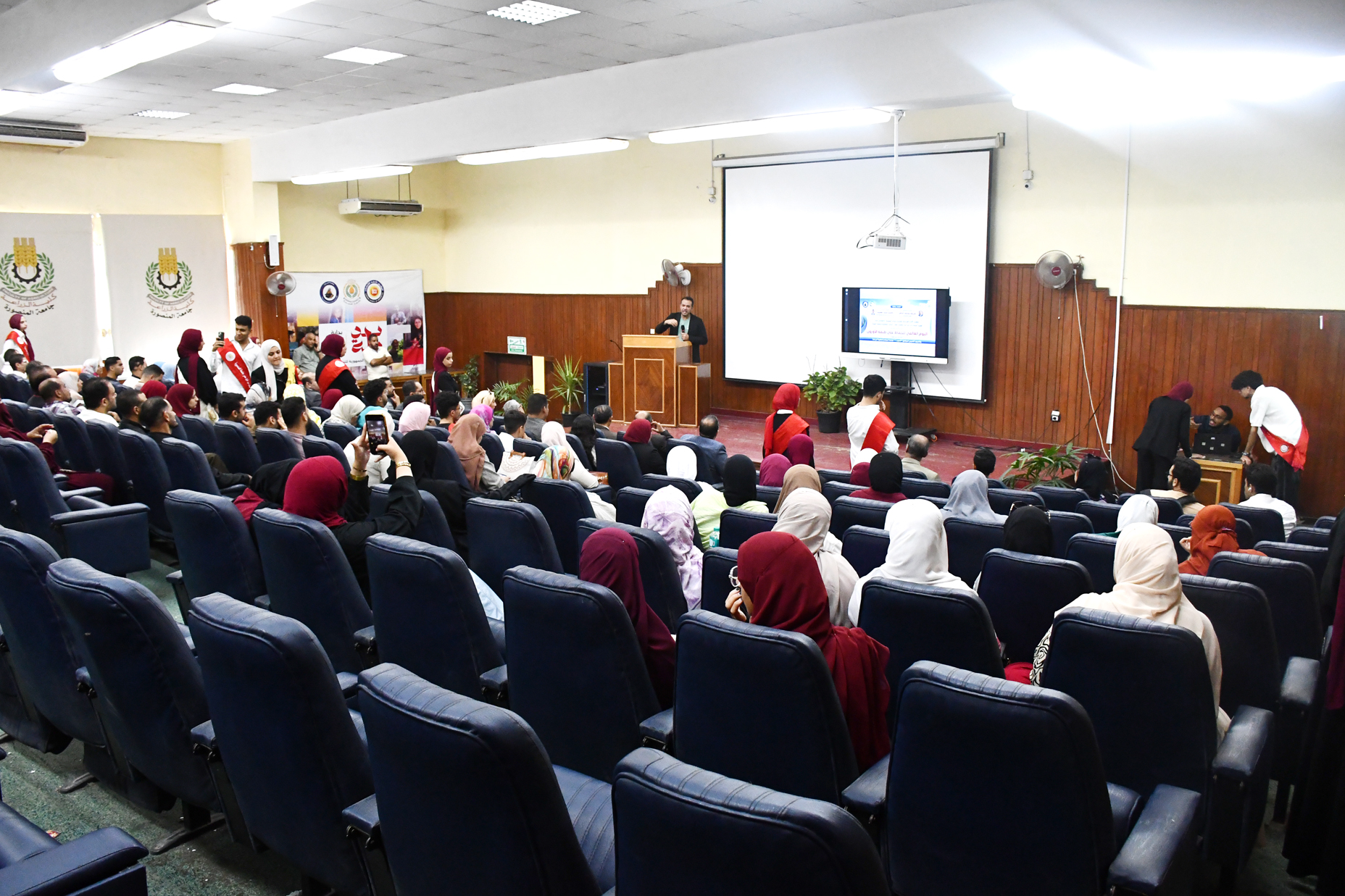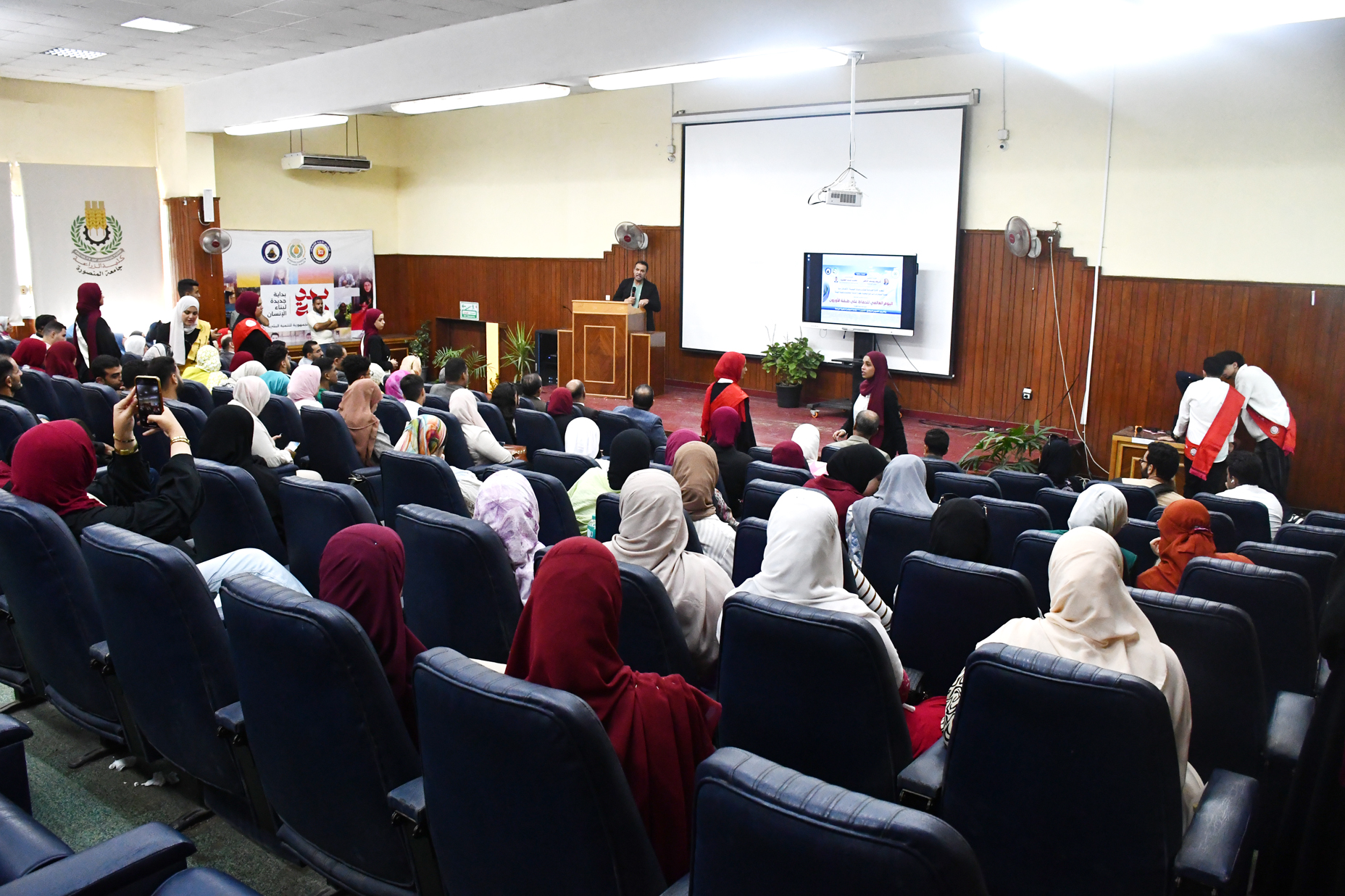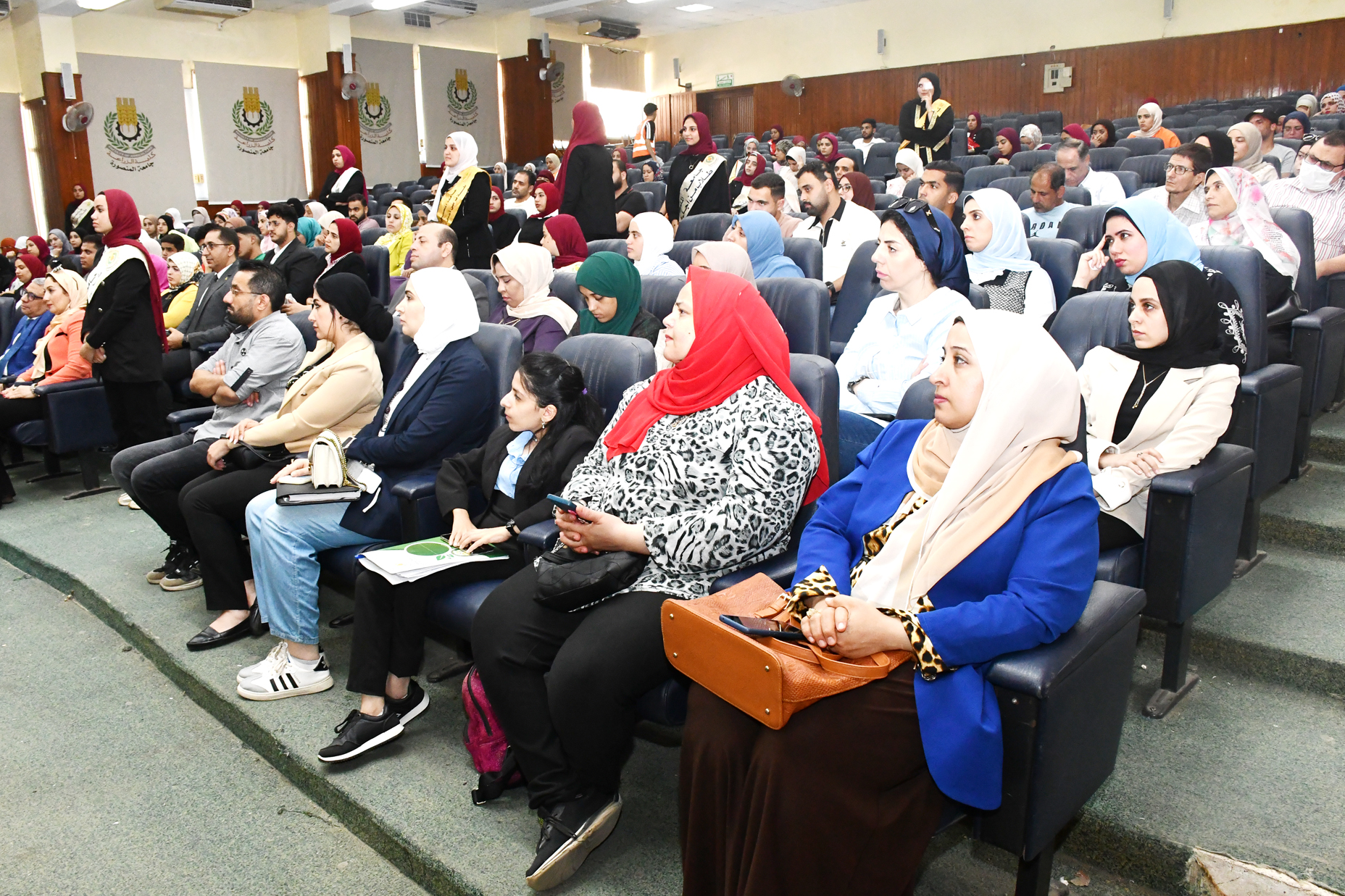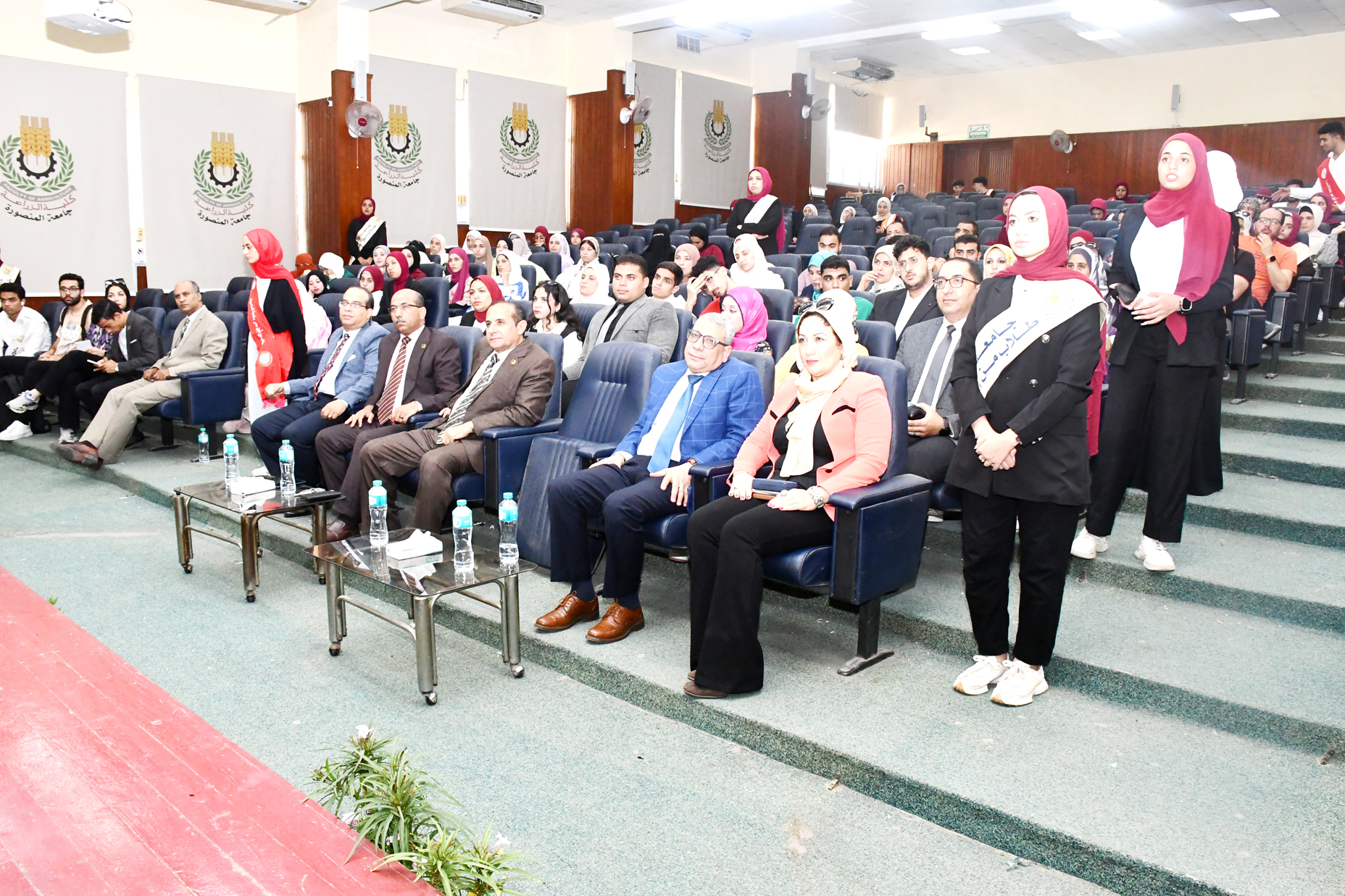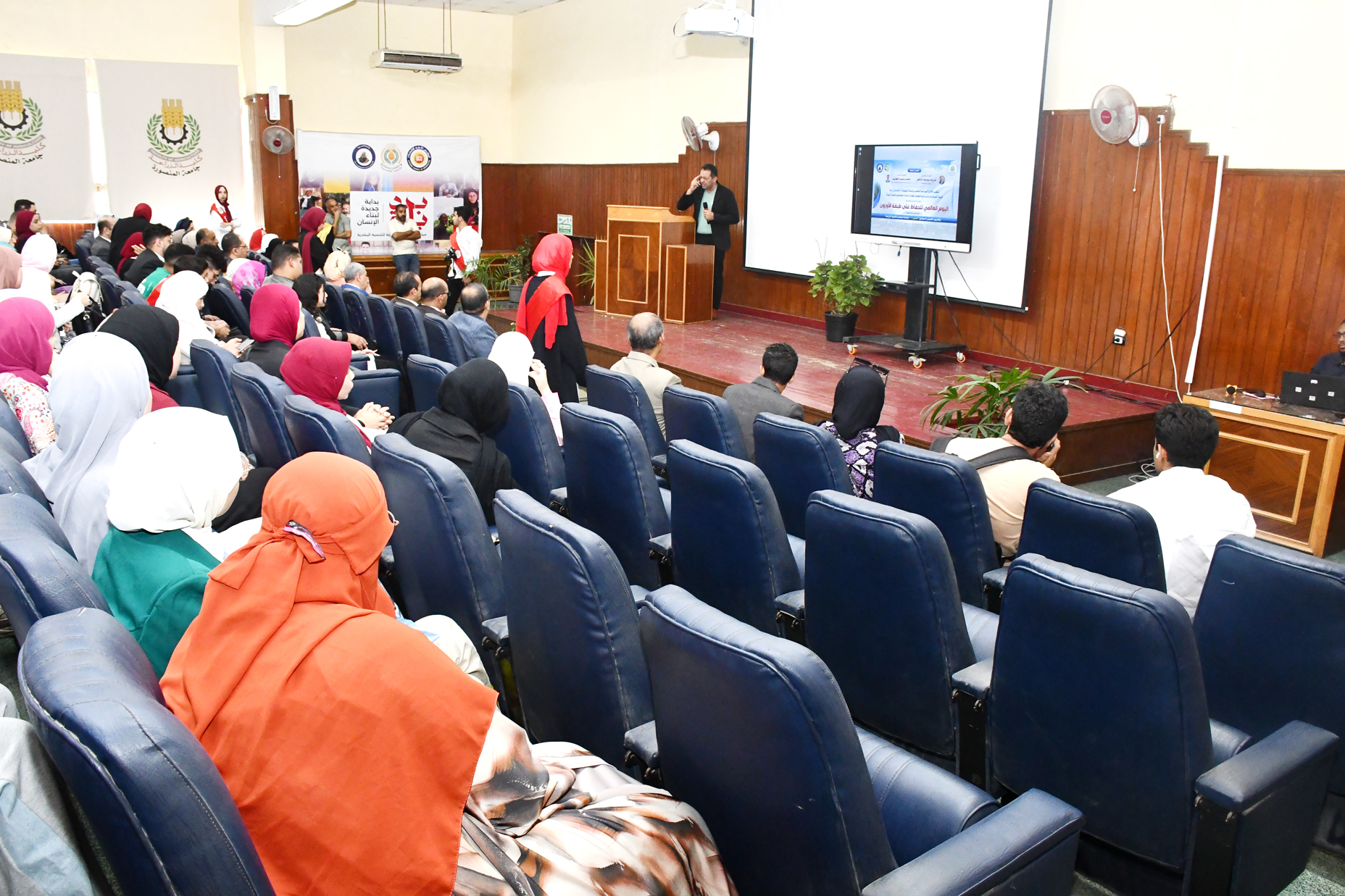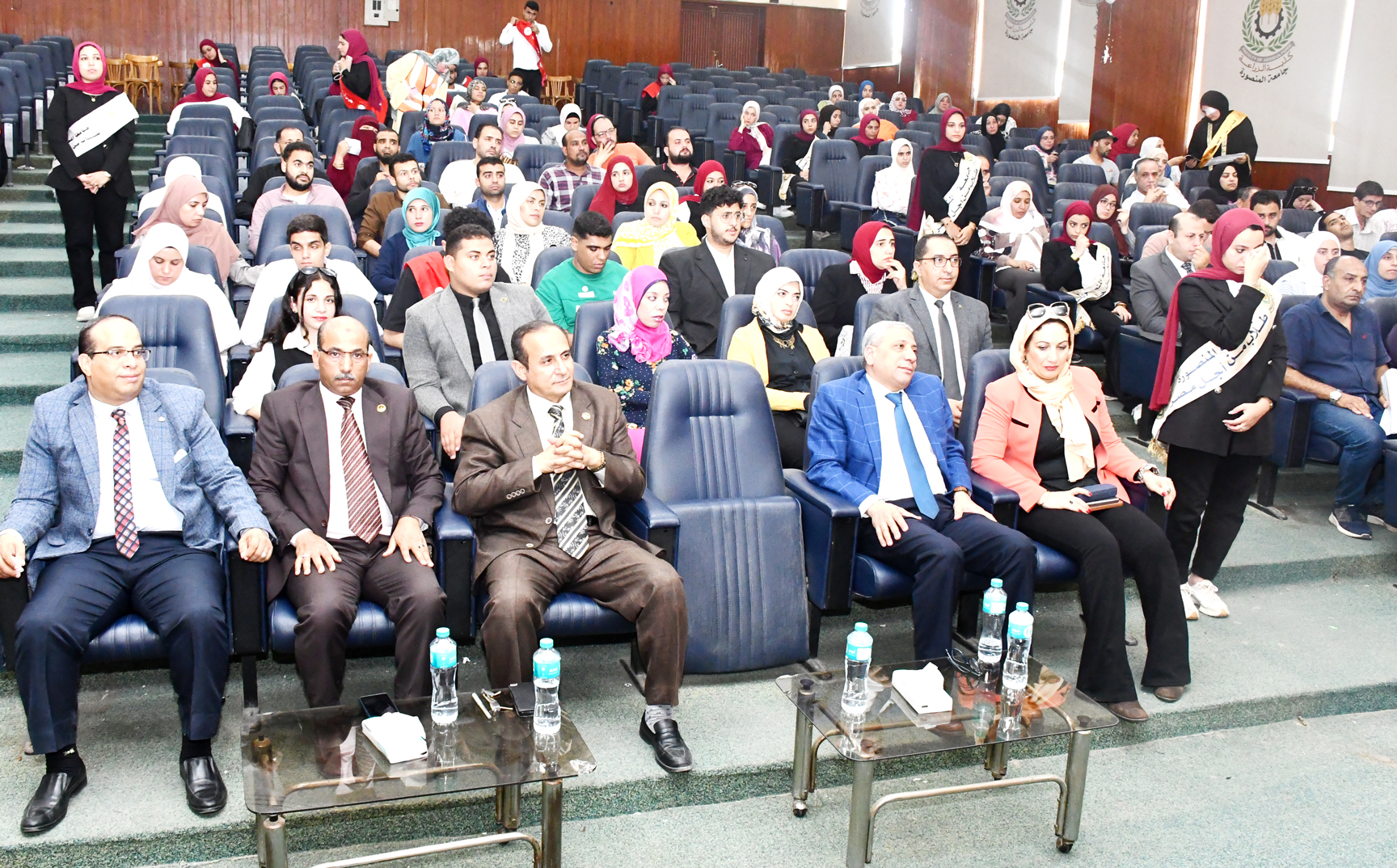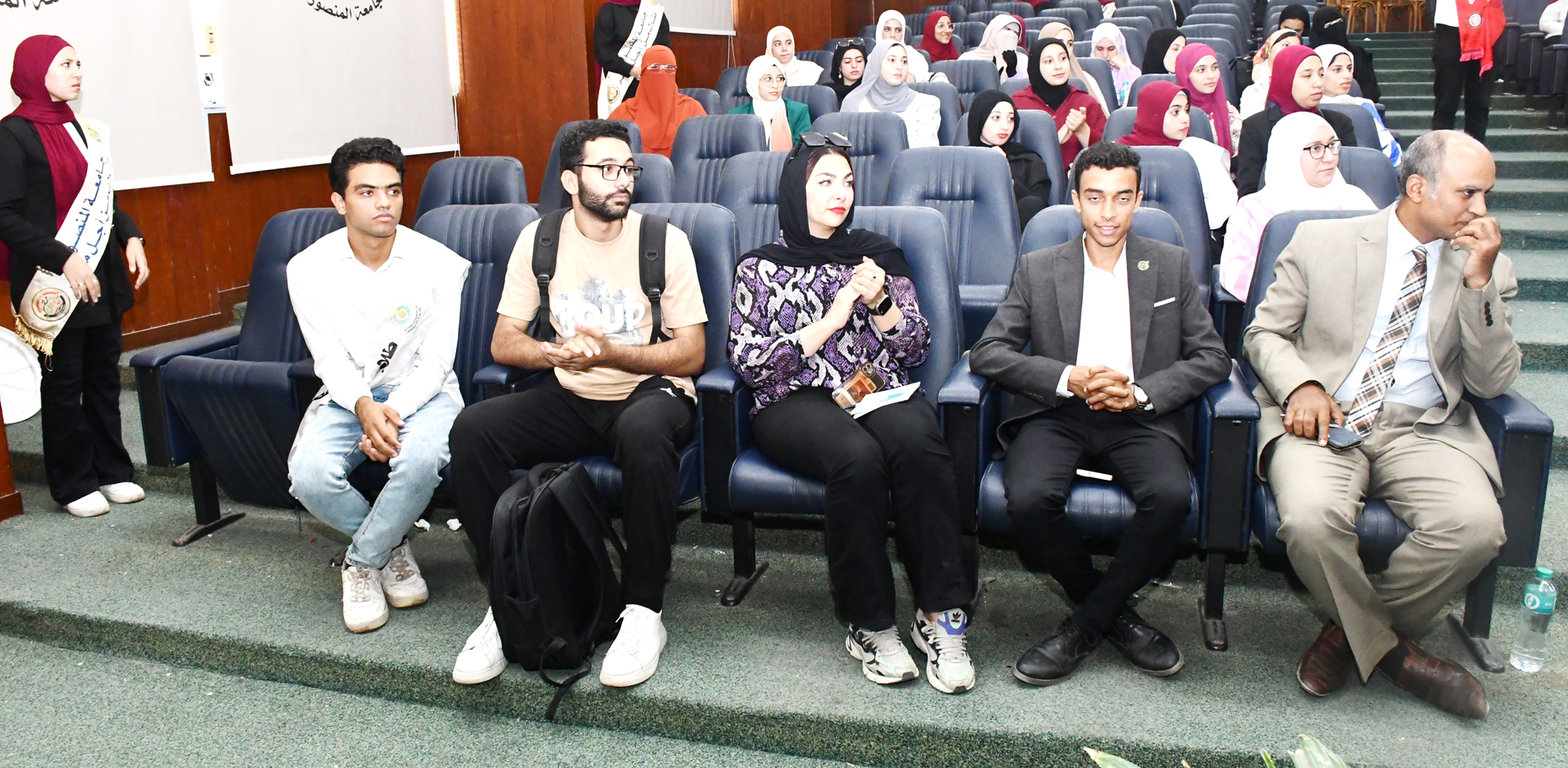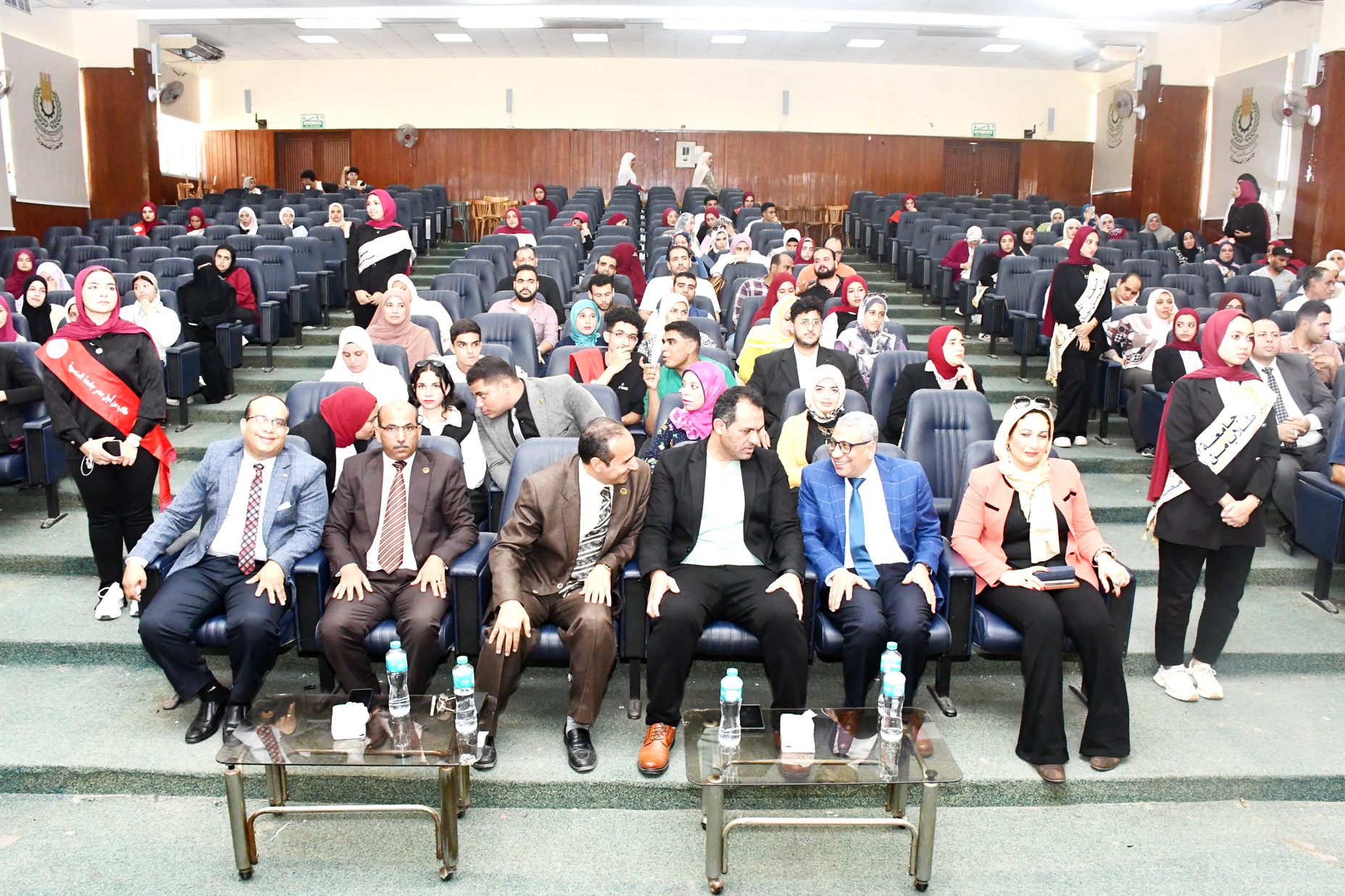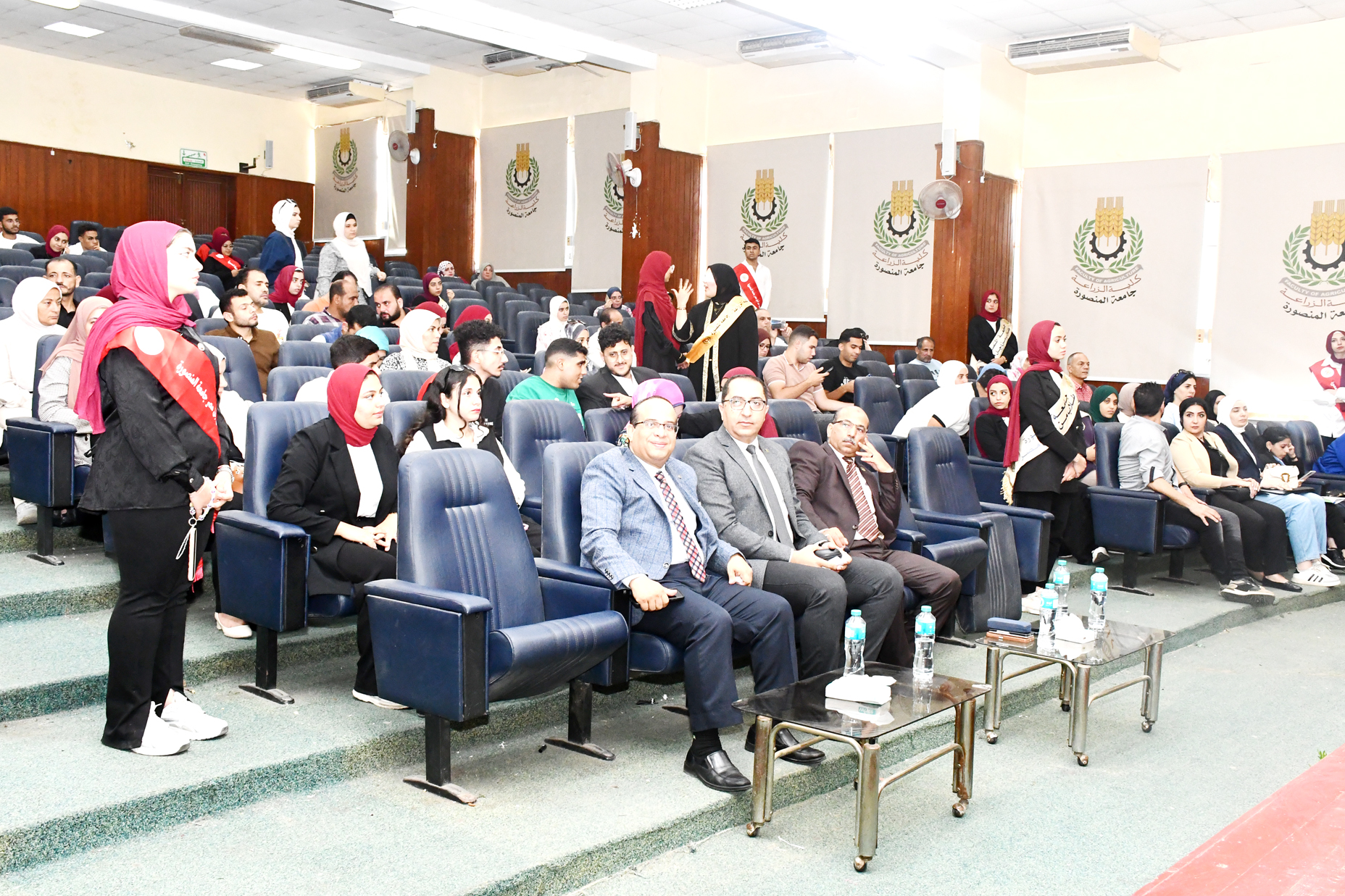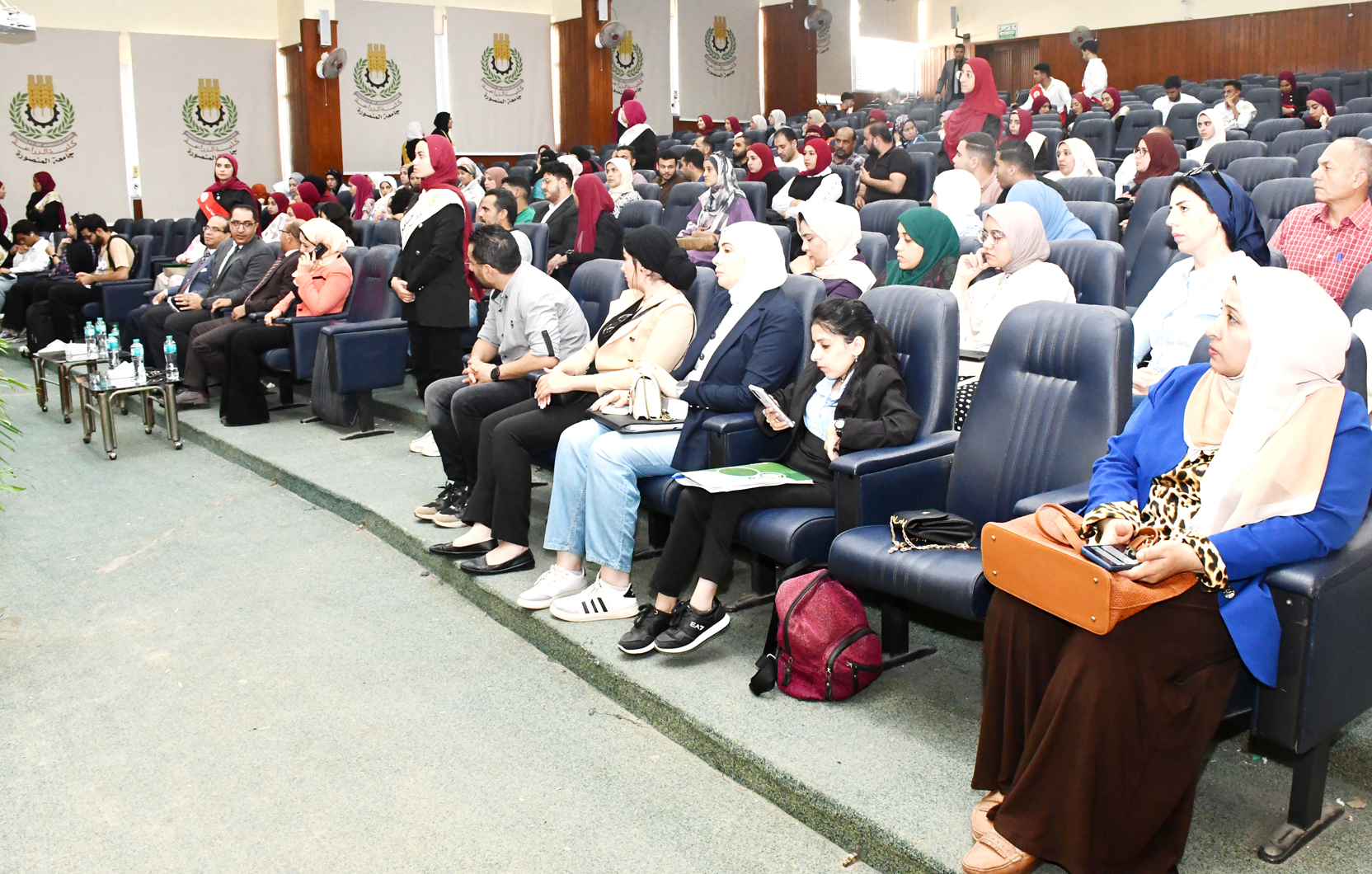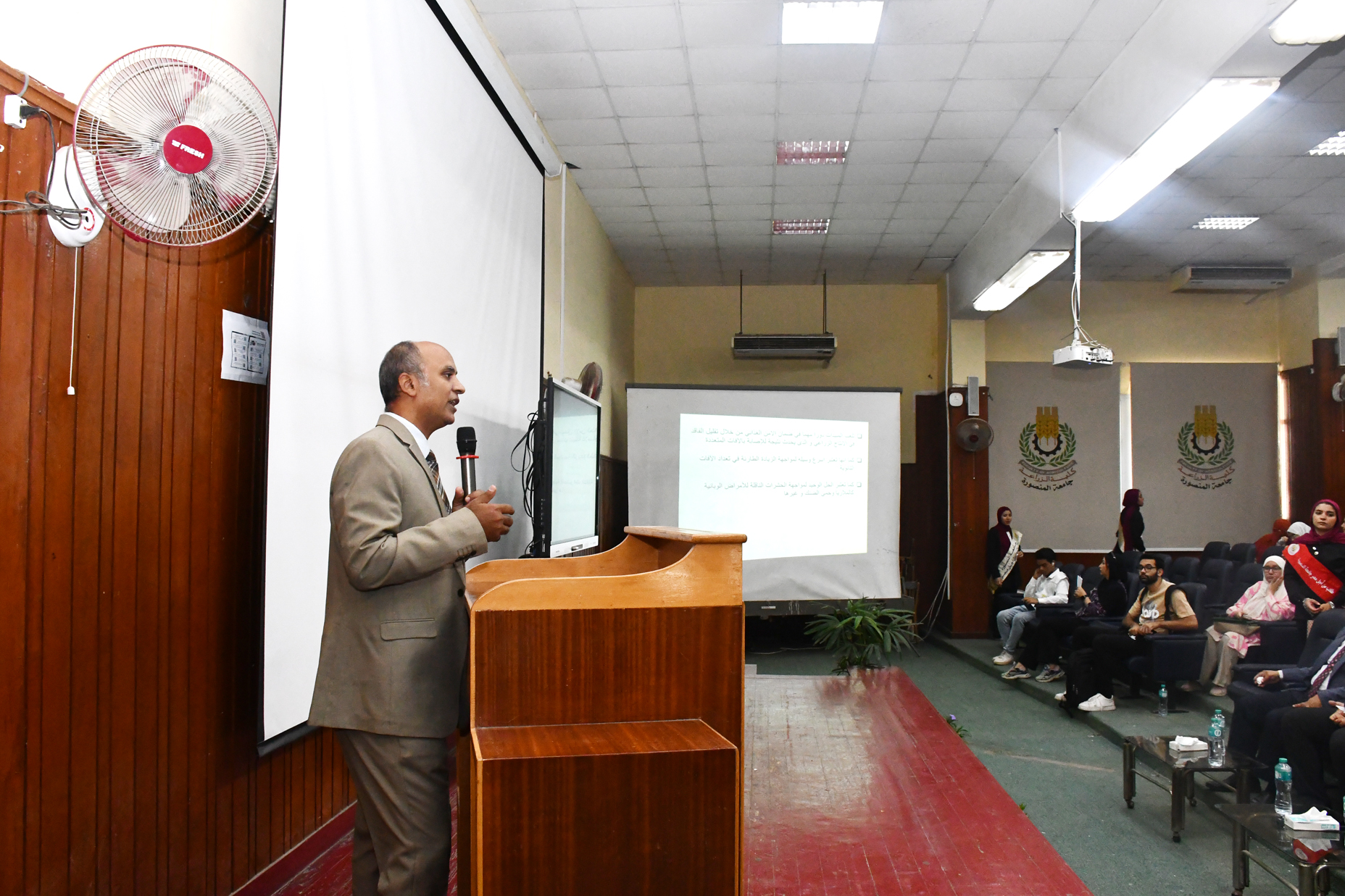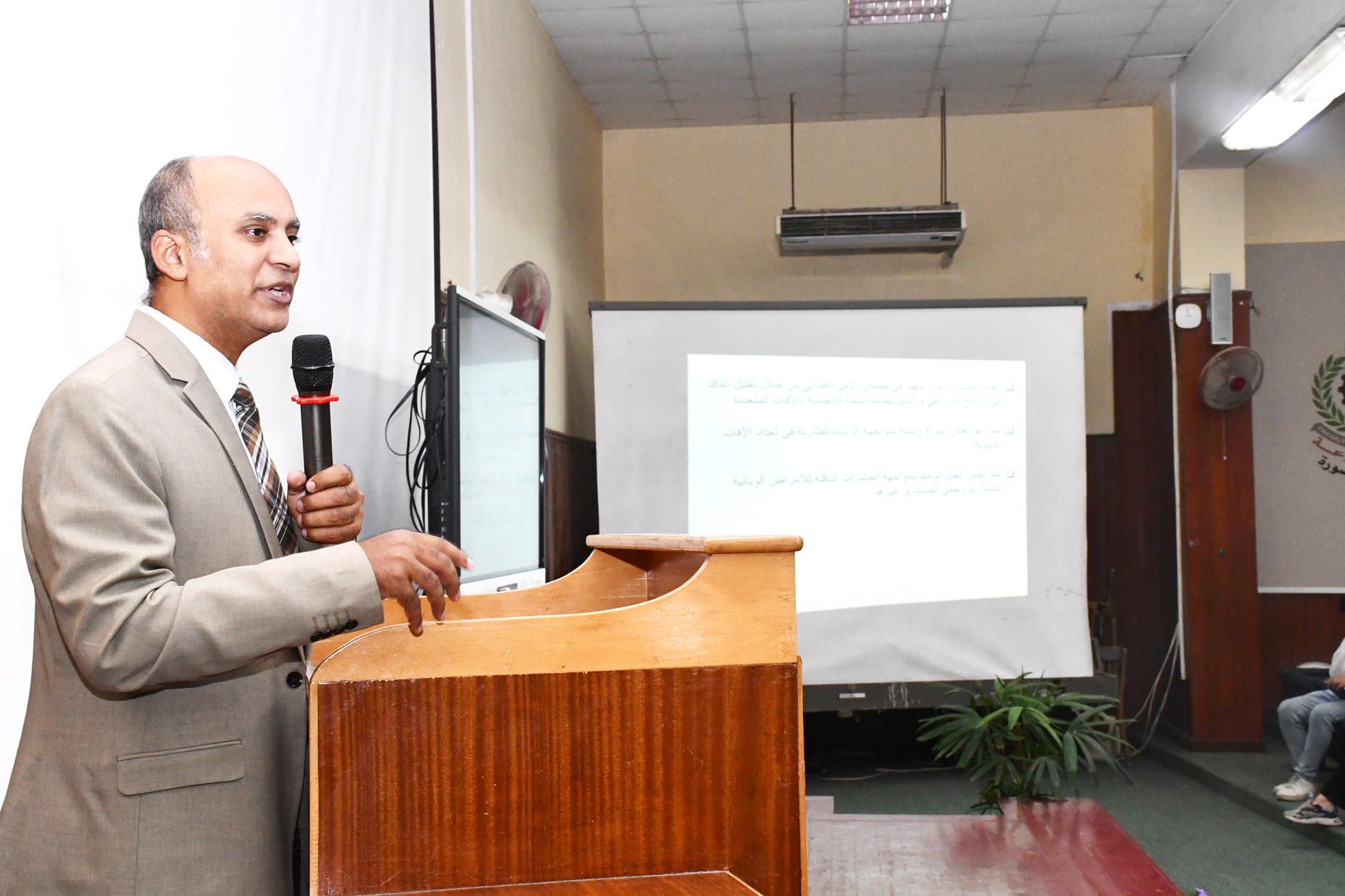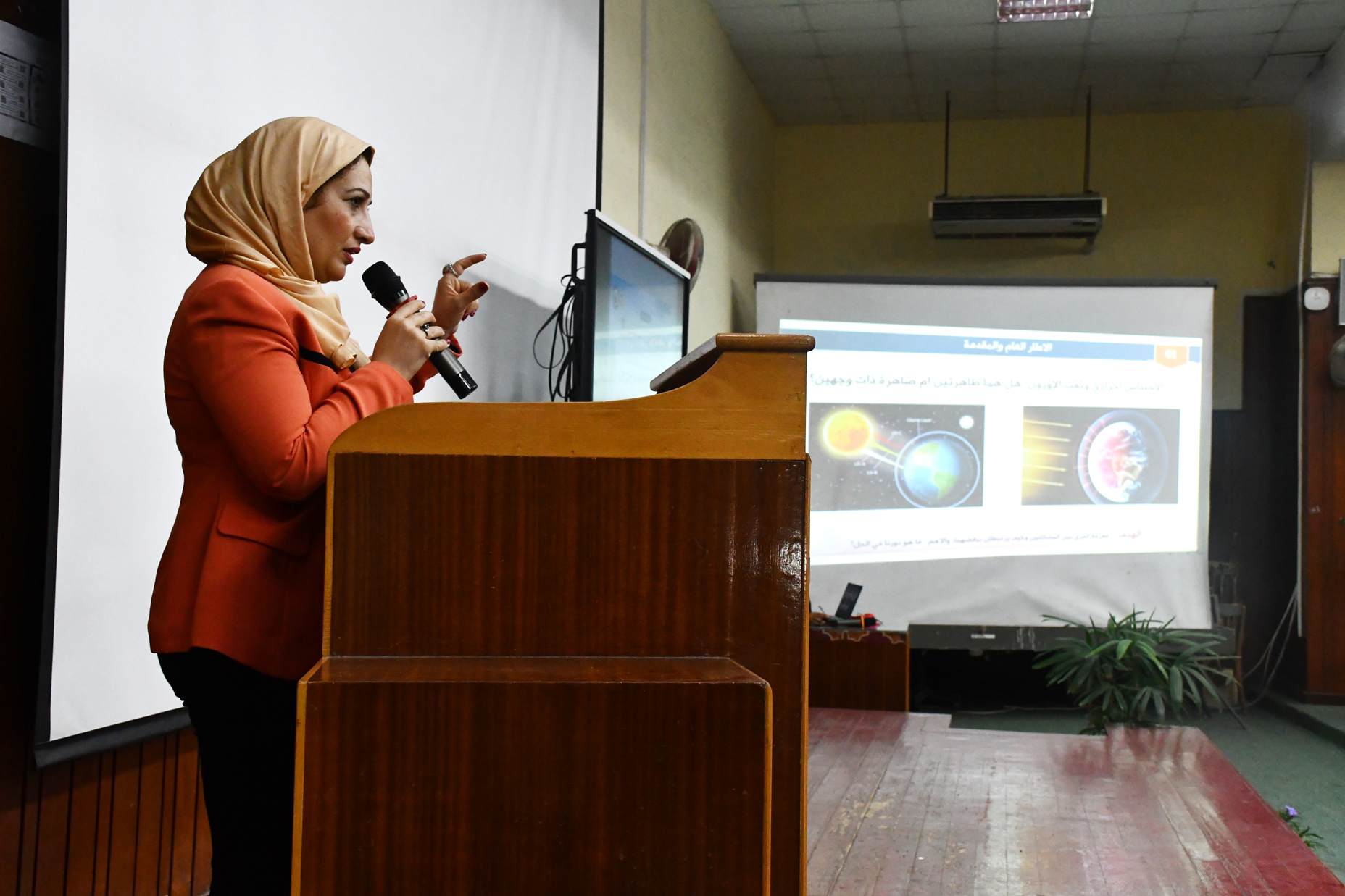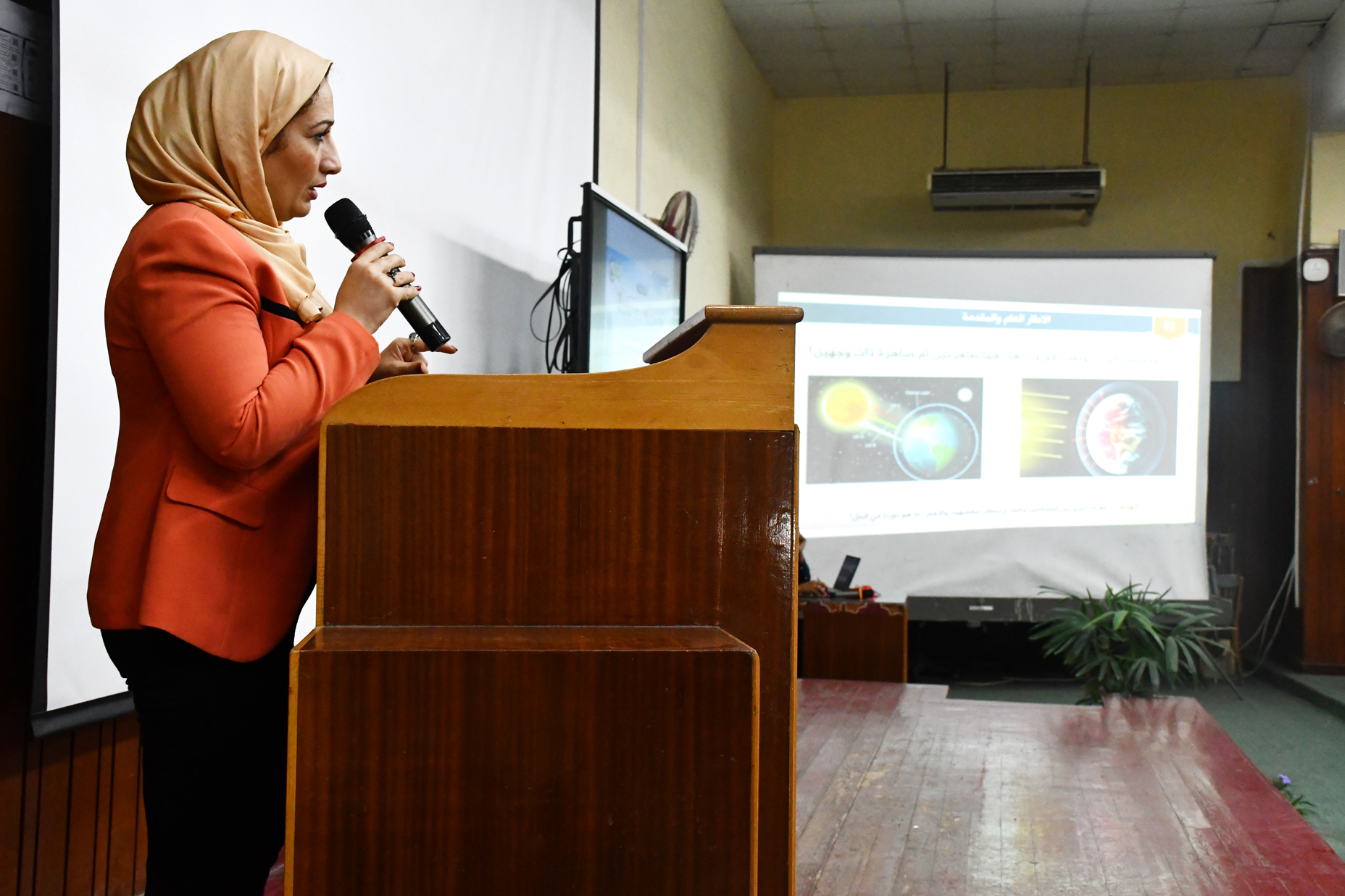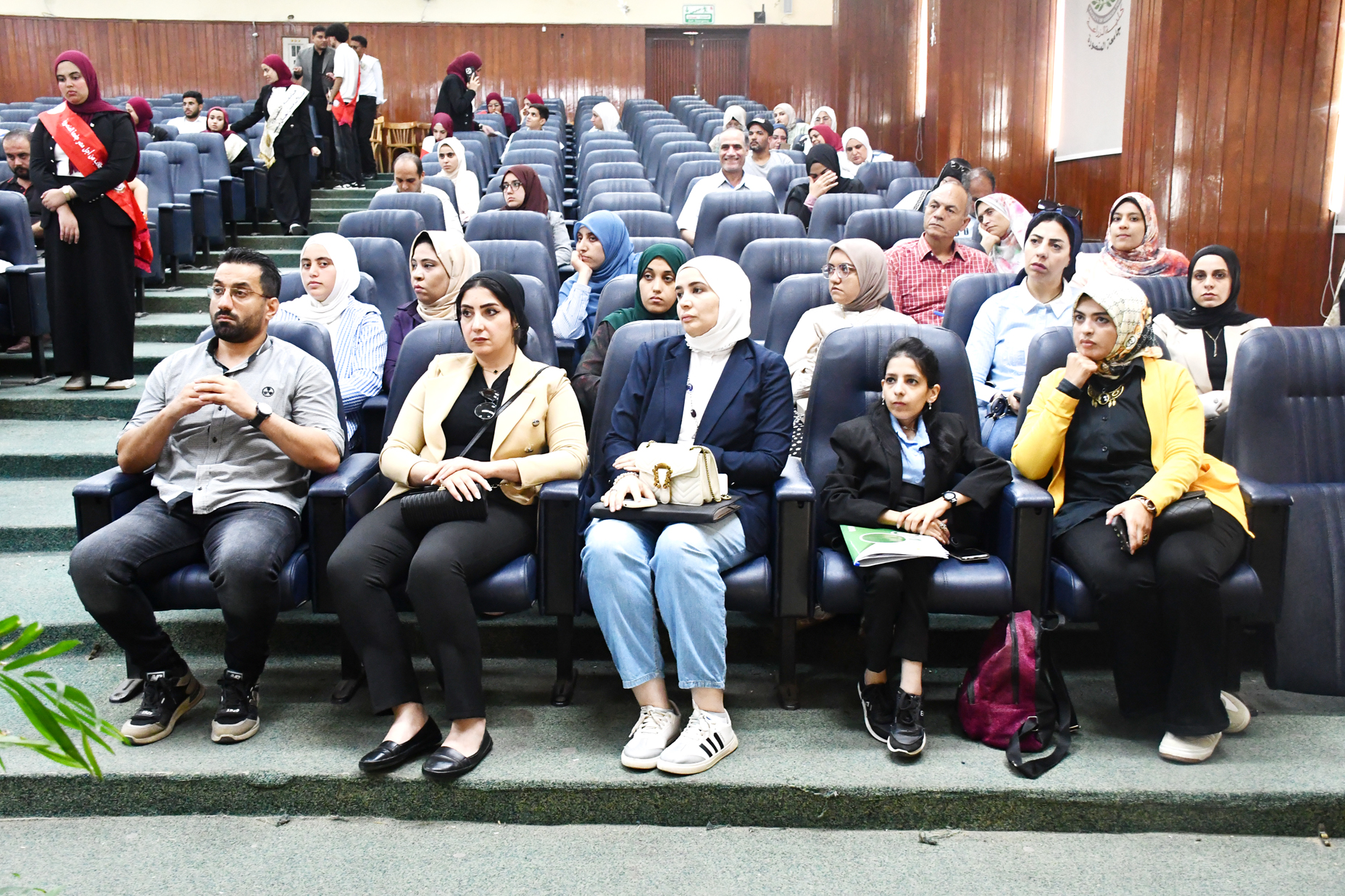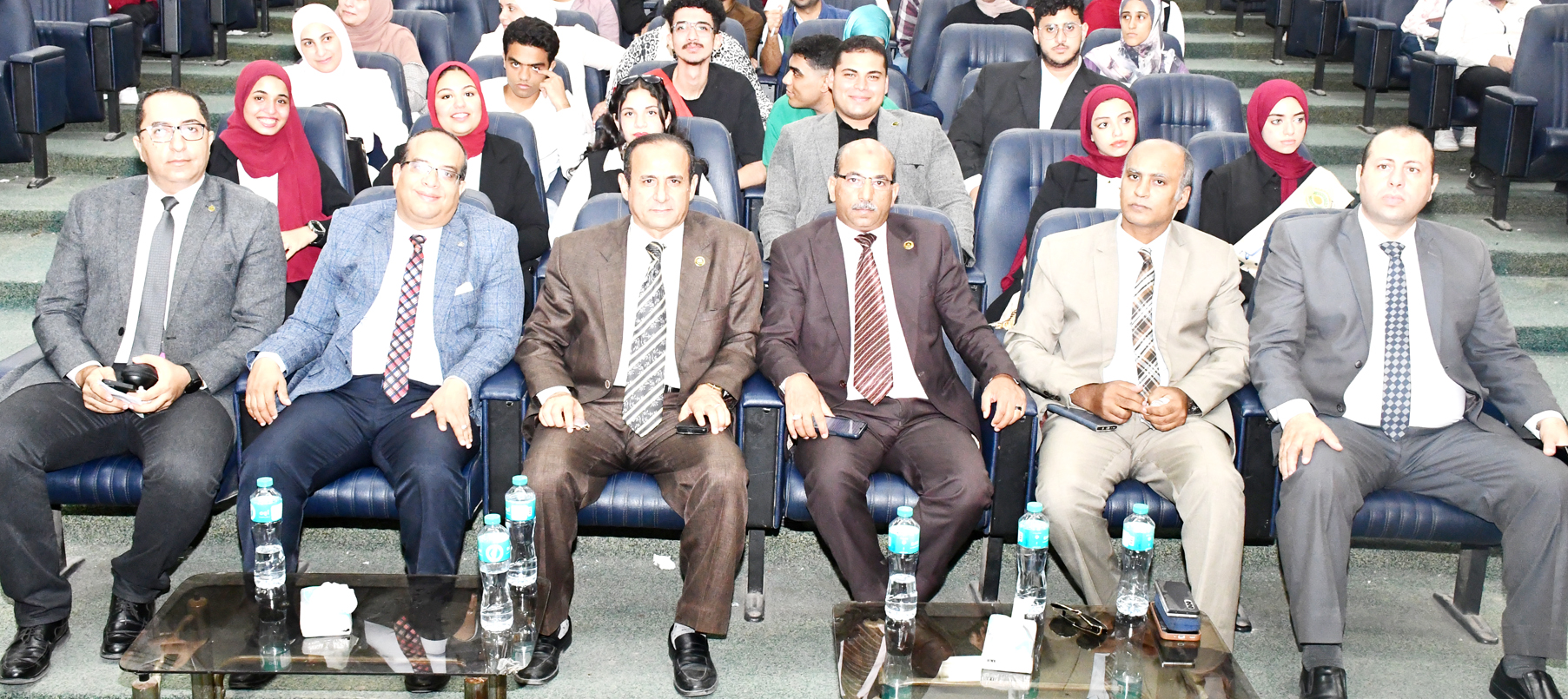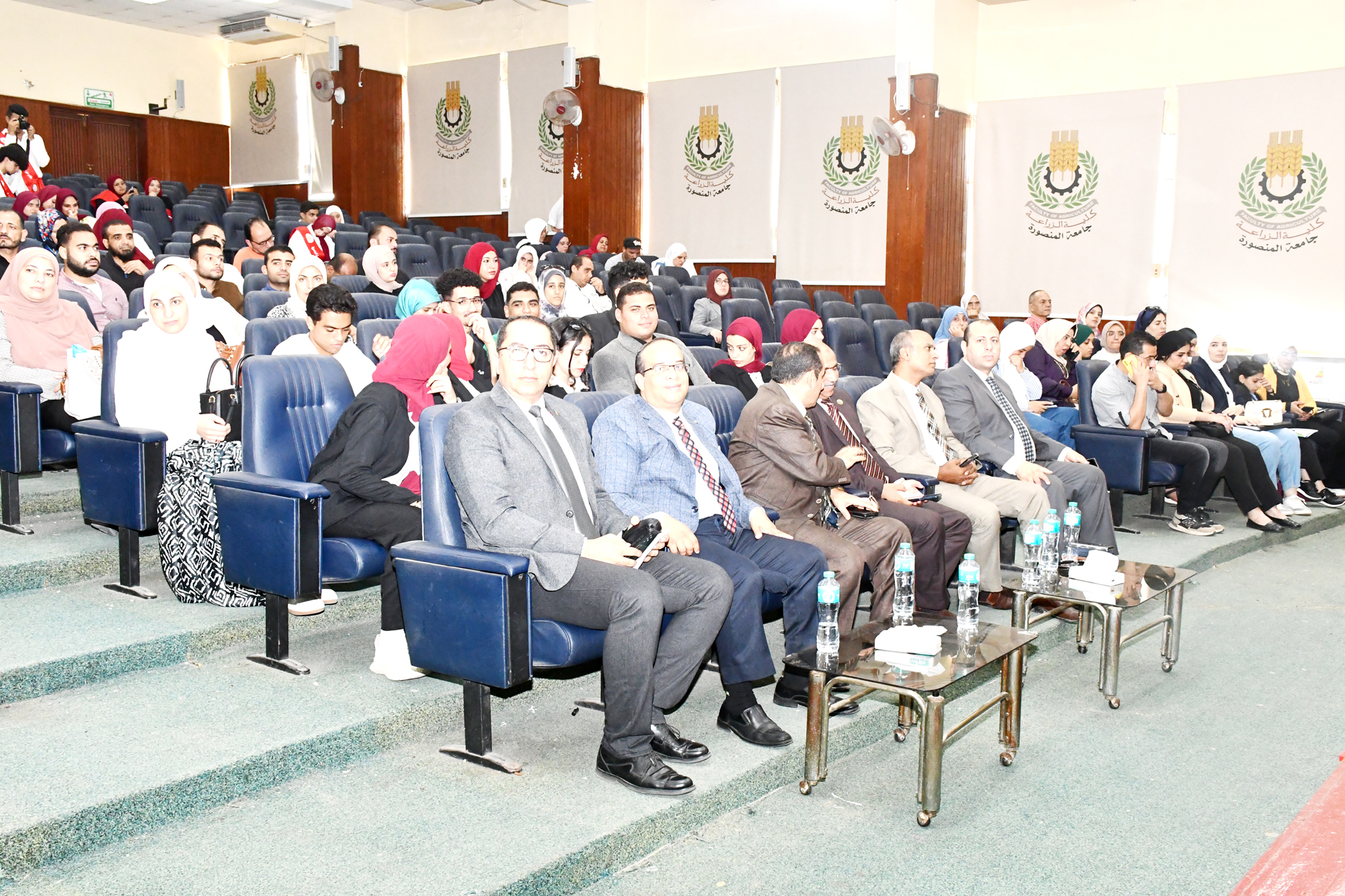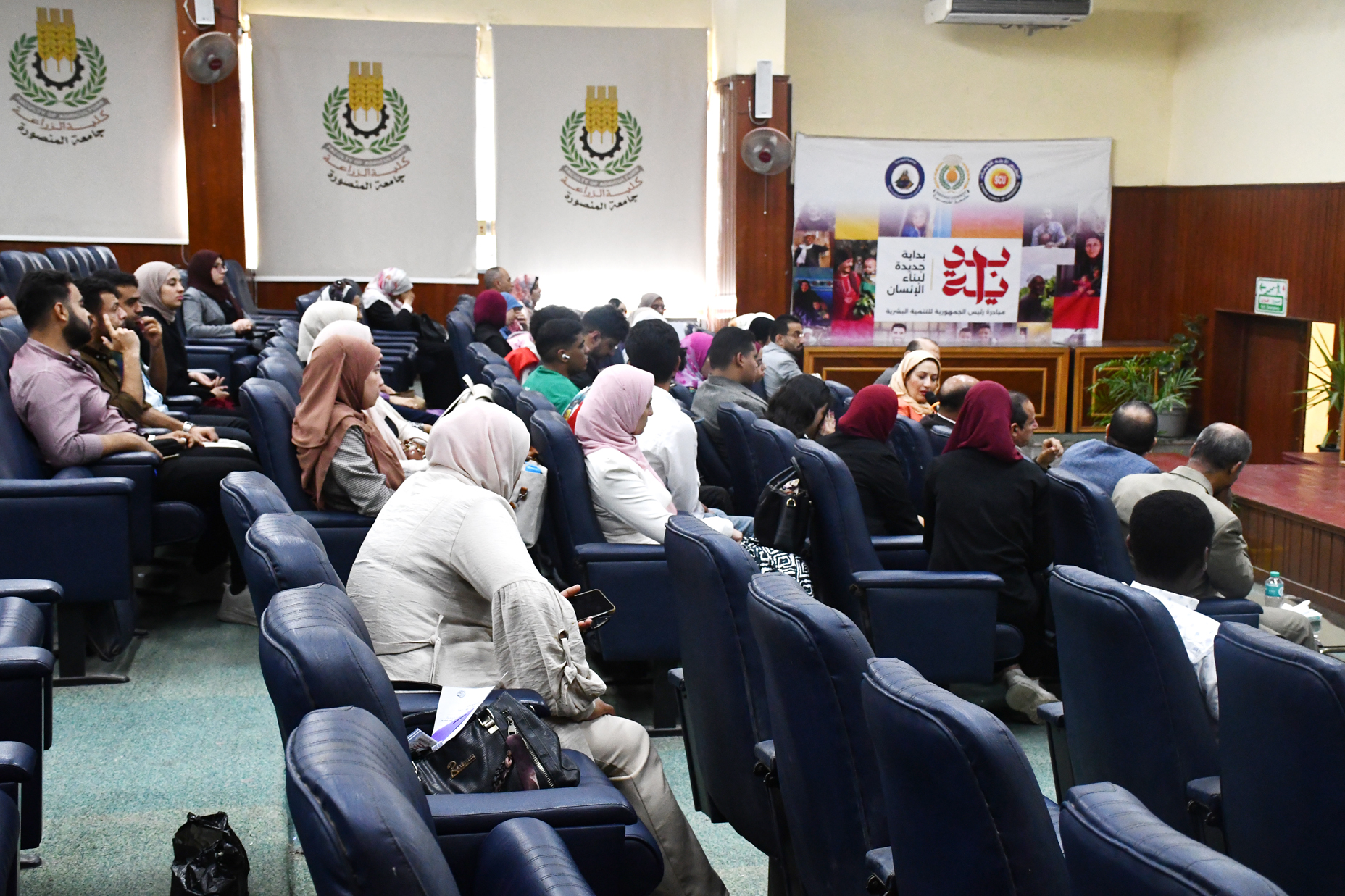
Activities of the Workshop on the International Day for the Preservation of the Ozone Layer, Thursday, October 2, 2025.
Under the Patronage of
-
Prof. Dr. Sherif Youssef Khater – President of the University
-
Prof. Dr. Mohamed Abdel Azim – Vice President of the University for Community Service and Environmental Development
Supervised by
-
Prof. Dr. Mohamed Ali Shata – Dean of the Faculty of Agriculture
-
Prof. Dr. Metwally Abu Sarea – Vice Dean of the Faculty of Agriculture for Community Service and Environmental Development
In Attendance
-
Prof. Dr. Mohamed Abdel Fattah El-Zahry – Vice Dean of the Faculty of Tourism and Hotels for Community Service and Environmental Development
-
Mr. Saad Abdel Wahab – Secretary-General of the University
Organized by the General Administration for Environmental Projects, a Workshop entitled:
✨ "International Day for the Preservation of the Ozone Layer"
was held at the Conference Hall of the Faculty of Agriculture on Thursday, October 2, 2025, in coordination with Students for Egypt, under the leadership of Prof. Dr. Mohamed El-Dessouky – Professor at the Faculty of Agriculture and Student Activities Coordinator. The event was moderated by Prof. Dr. Amr Gaber – General Coordinator of Activities at the Community Service and Environmental Development Sector.
Opening Remarks
The workshop commenced with welcoming addresses from:
-
Prof. Dr. Metwally Abu Sarea – Vice Dean of the Faculty of Agriculture
-
Prof. Dr. Mohamed Ali Shata – Dean of the Faculty of Agriculture
Both speakers highlighted the importance of environmental awareness, the necessity of preserving the ozone layer, and the role of the university and society in addressing environmental challenges.
This was followed by a keynote address from Prof. Dr. Mohamed Abdel Azim – Vice President of the University for Community Service. He emphasized that the ozone issue is not merely a scientific matter but also a moral responsibility towards future generations. He pointed out that the university, through its community service and environmental development sector, is implementing awareness programs and practical initiatives to reduce harmful environmental practices. He also called for stronger partnerships between the university, governmental and private institutions, and civil society to support national and global efforts to protect the ozone layer and combat climate change.
Scientific Presentations
✦ Prof. Dr. Mohamed Sobhy Hamada – Professor and Head of the Pesticides Department, Faculty of Agriculture, delivered a lecture on the negative impacts of pesticide use on the environment in general and on the ozone layer in particular. He explained that some pesticides contain chemical compounds that contribute to ozone depletion when decomposed in the atmosphere, leading to increased penetration of harmful ultraviolet rays and posing risks to human health, living organisms, and ecosystems. He stressed the need to search for environmentally friendly alternatives and to establish strict regulations for the rational use of agricultural pesticides to balance production needs with environmental protection.
✦ Prof. Dr. Zeinab Abu El-Naga – Professor of Environmental Sciences at the Faculty of Science and Director of the University’s Environmental Impact Assessment Center, presented a lecture on the link between global warming and the ozone hole. She explained how rising greenhouse gas emissions exacerbate global warming, affecting atmospheric dynamics and contributing to ozone depletion. She highlighted the severe consequences of these phenomena, such as rising temperatures, recurring droughts and floods, and threats to biodiversity. She emphasized the importance of adhering to international agreements like the Montreal Protocol and promoting societal awareness as well as daily practices that reduce carbon footprints and support ozone protection.
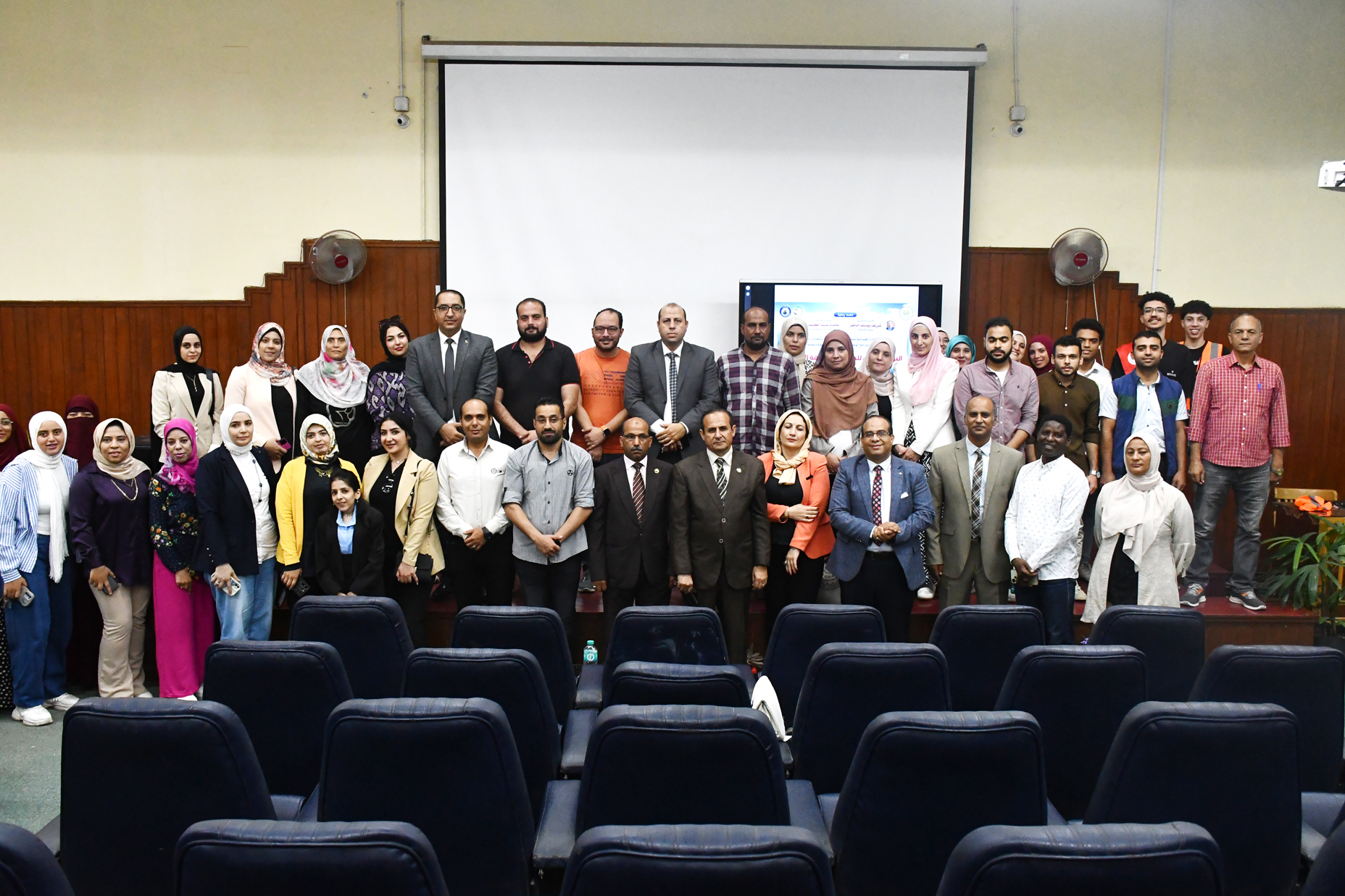
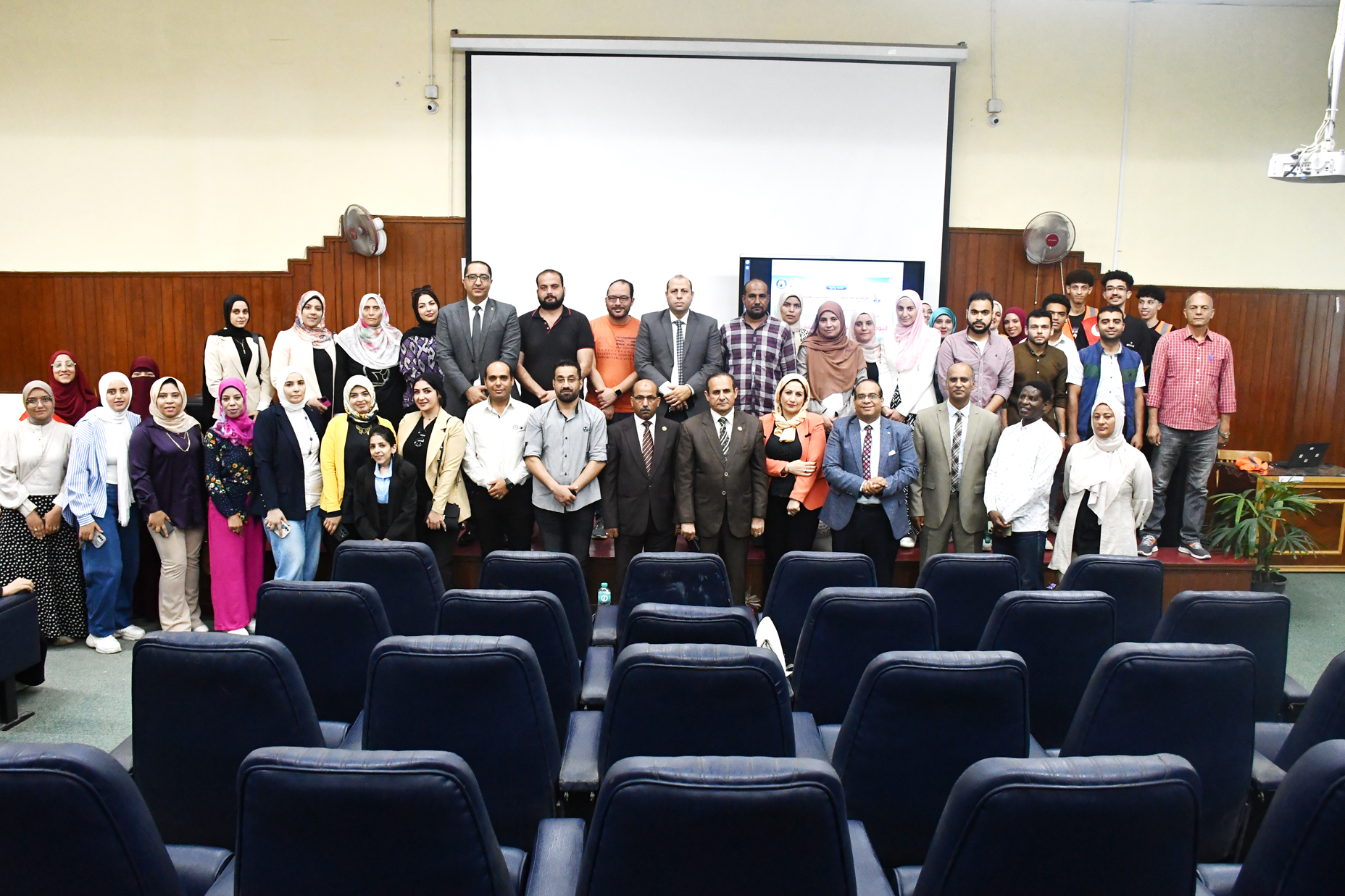
The session concluded with an open discussion and Q&A, followed by a commemorative group photo.
📑 Workshop Recommendations: International Day for the Preservation of the Ozone Layer
🔹 In Research and Agricultural Application (Faculty Role)
-
Direct research efforts toward finding and applying safe alternatives to ozone-depleting pesticides (e.g., methyl bromide).
-
Reduce agricultural emissions and improve nitrogen fertilizer management to limit nitrous oxide emissions.
-
Review and update laboratory protocols to ensure safe disposal of ozone-harming chemicals.
🔹 In Education and Awareness (University Role)
-
Integrate environmental curricula and include issues of the Montreal Protocol and climate change in academic courses.
-
Launch training programs to enable farmers to adopt ozone-friendly practices.
-
Support student initiatives aimed at reducing the university’s and community’s carbon footprint.
🔹 In Institutional and Community Measures
-
Adopt university policies to shift to environmentally friendly refrigeration and air-conditioning systems.
-
Collaborate with community institutions to ensure safe disposal of harmful refrigerant gases.
-
Issue simplified guides for the public on how individuals can contribute to protecting the ozone layer.